Followers

10/30/19

Group art -2nd grade printmaking


After our individual printmaking unit, I will often do a group work. Group work allows kids to learn strategies of how to solve interesting problems together. This idea is not mine. Seth Godin, an author, thinker and blogger says that all education needs to do is have kids solve interesting problems together. 

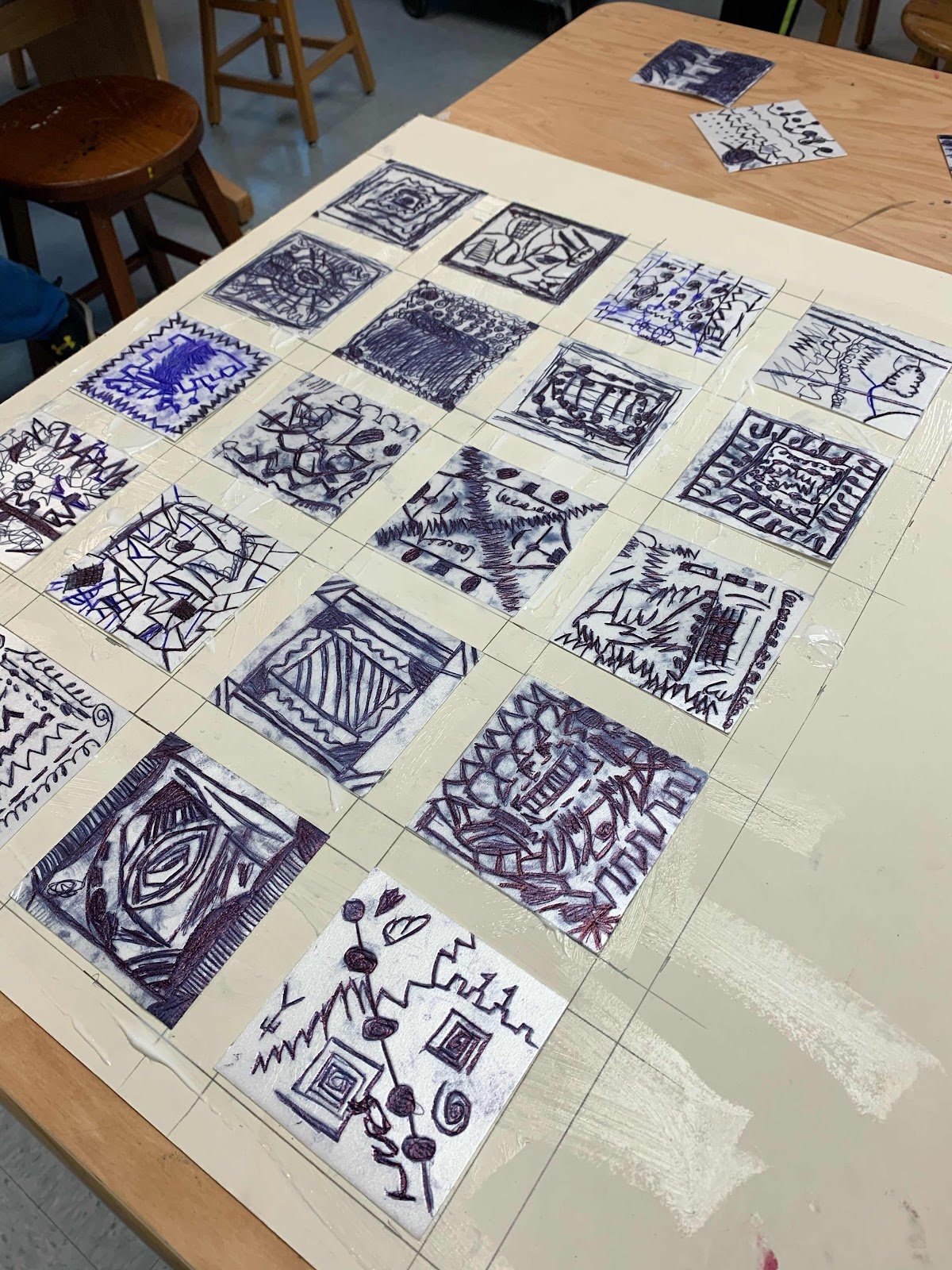
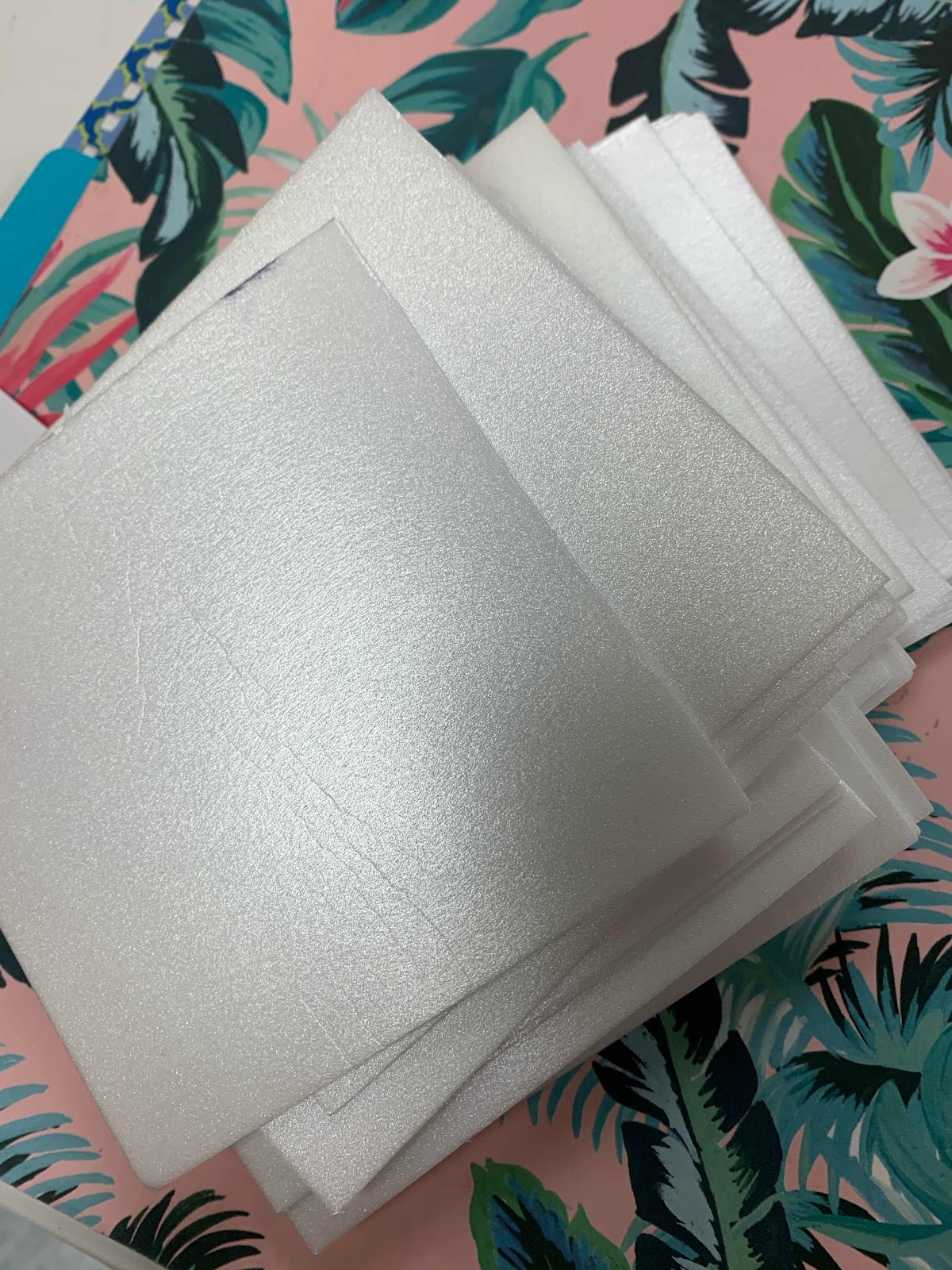
For this students get scratch foam paper, all cut to the same size. I vary depending on availability of class. The shape does not matter. What matters is that the are the same size. 

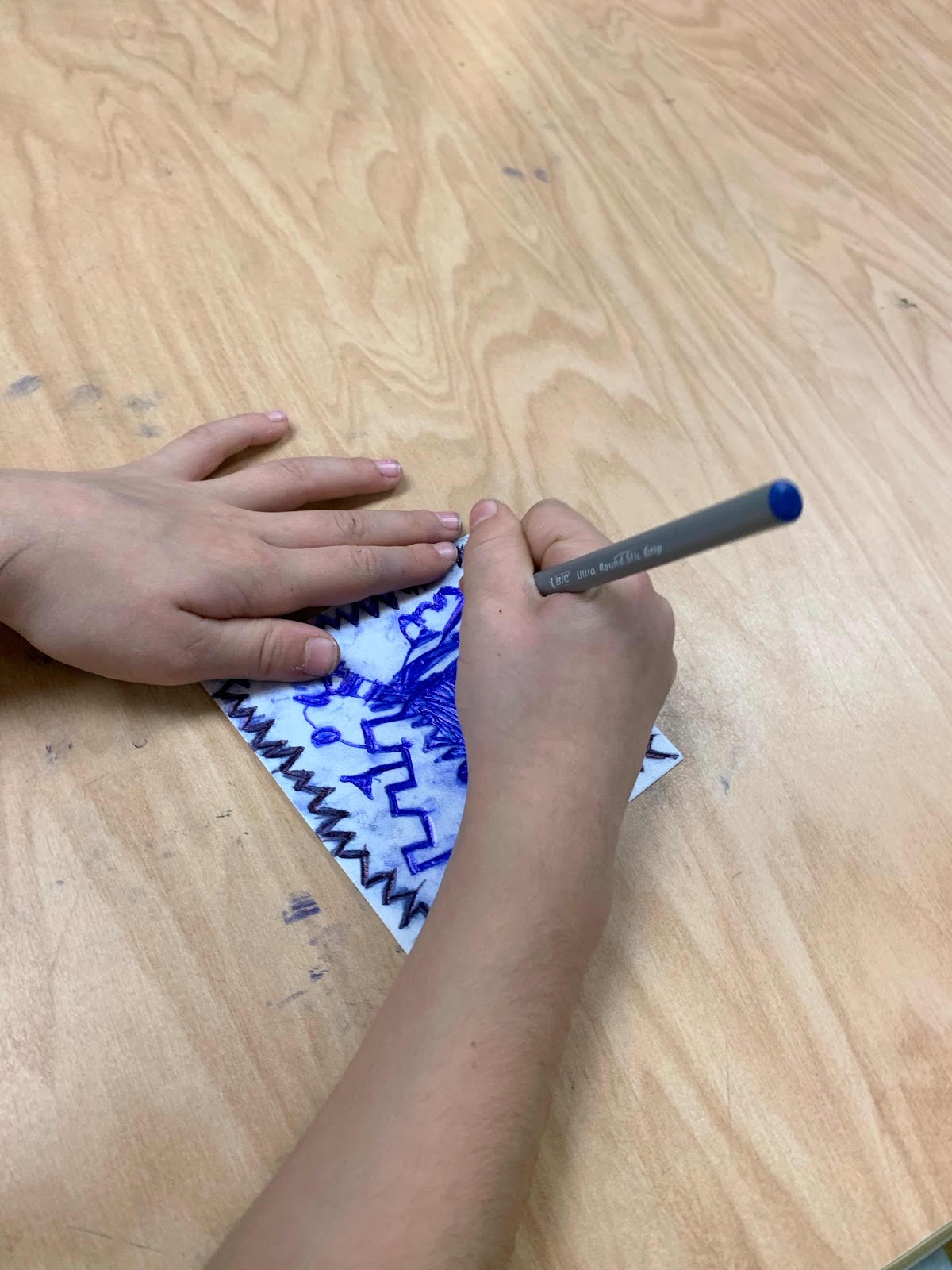
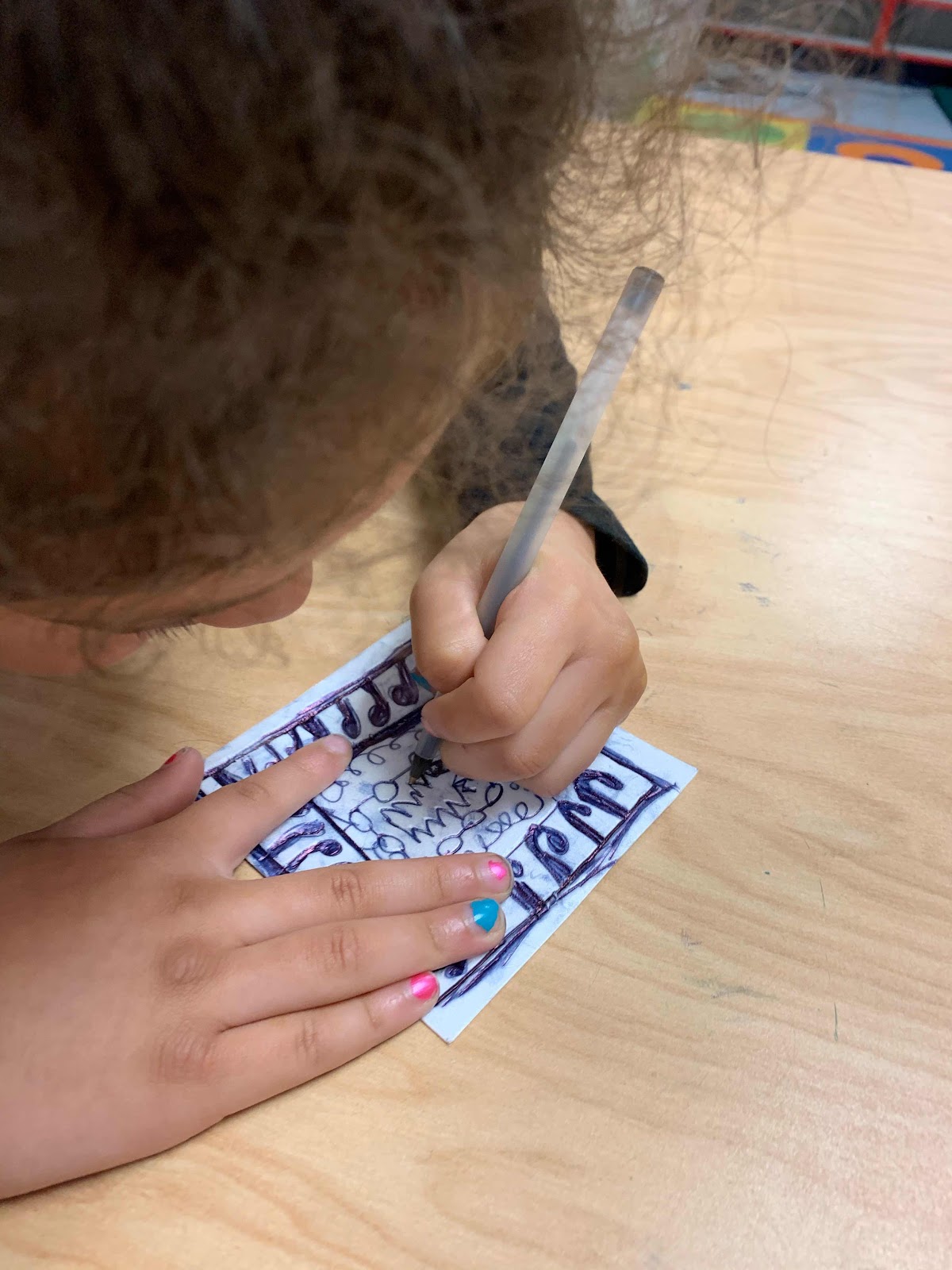
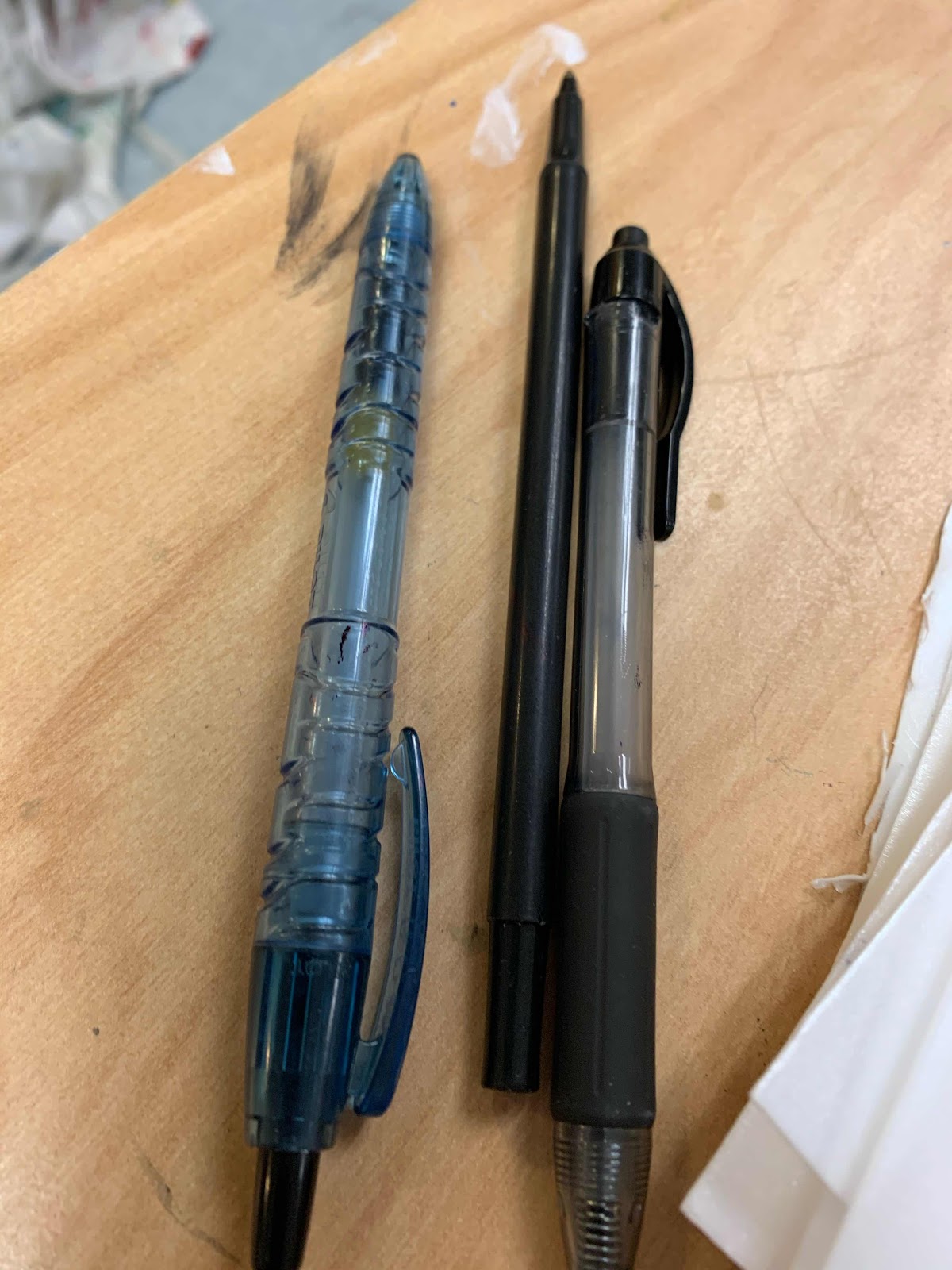
I always use pens and only pens to draw their designs on to the scratch foam. Pens are great because kids can see their designs easily and the point does not break, as pencils would. 
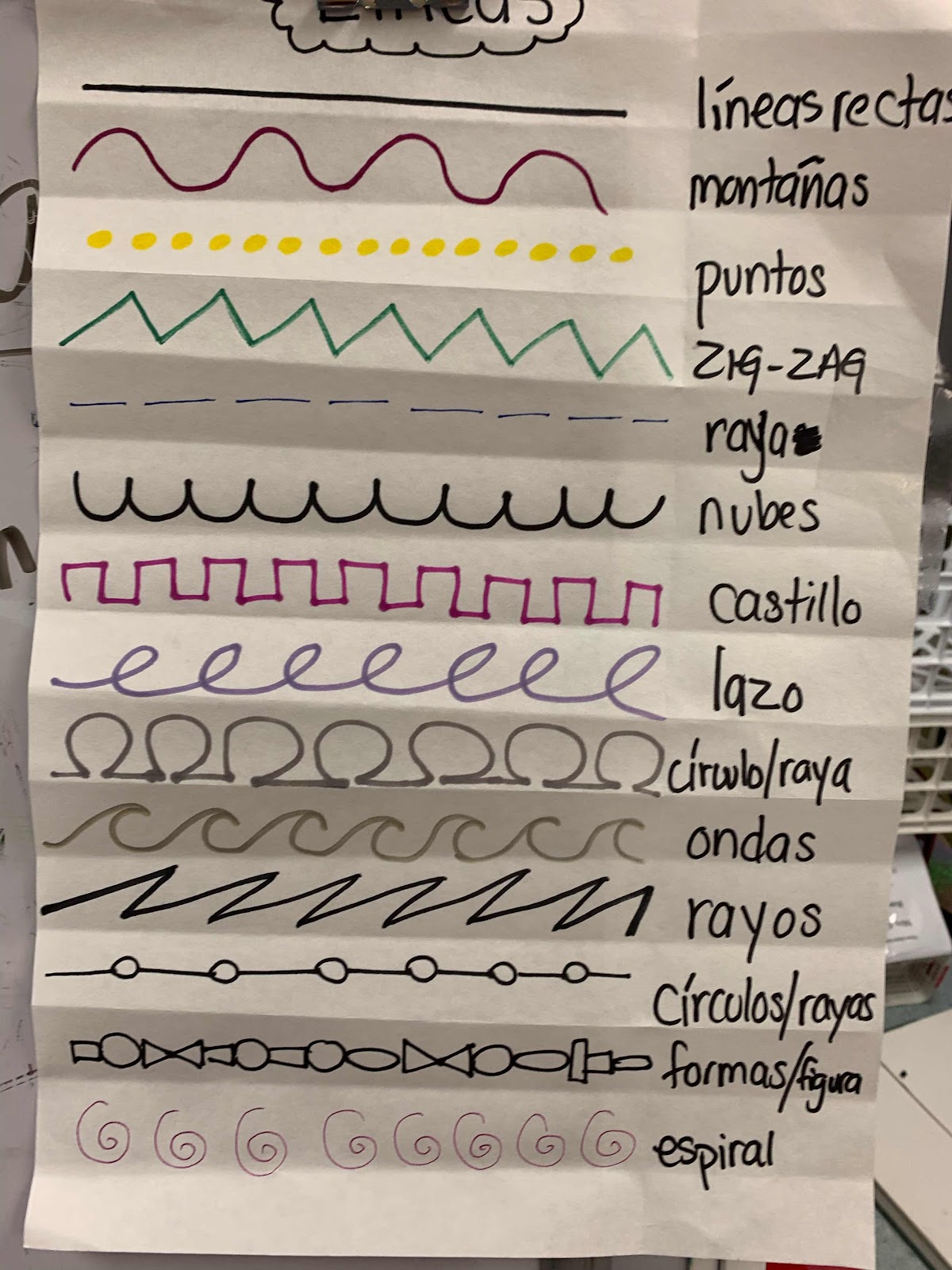
In this project, I had them choose whatever types of lines and shapes they wanted to decorate their scratch foam. The words are in Spanish, because I teach at an immersion school and teach in Spanish. 

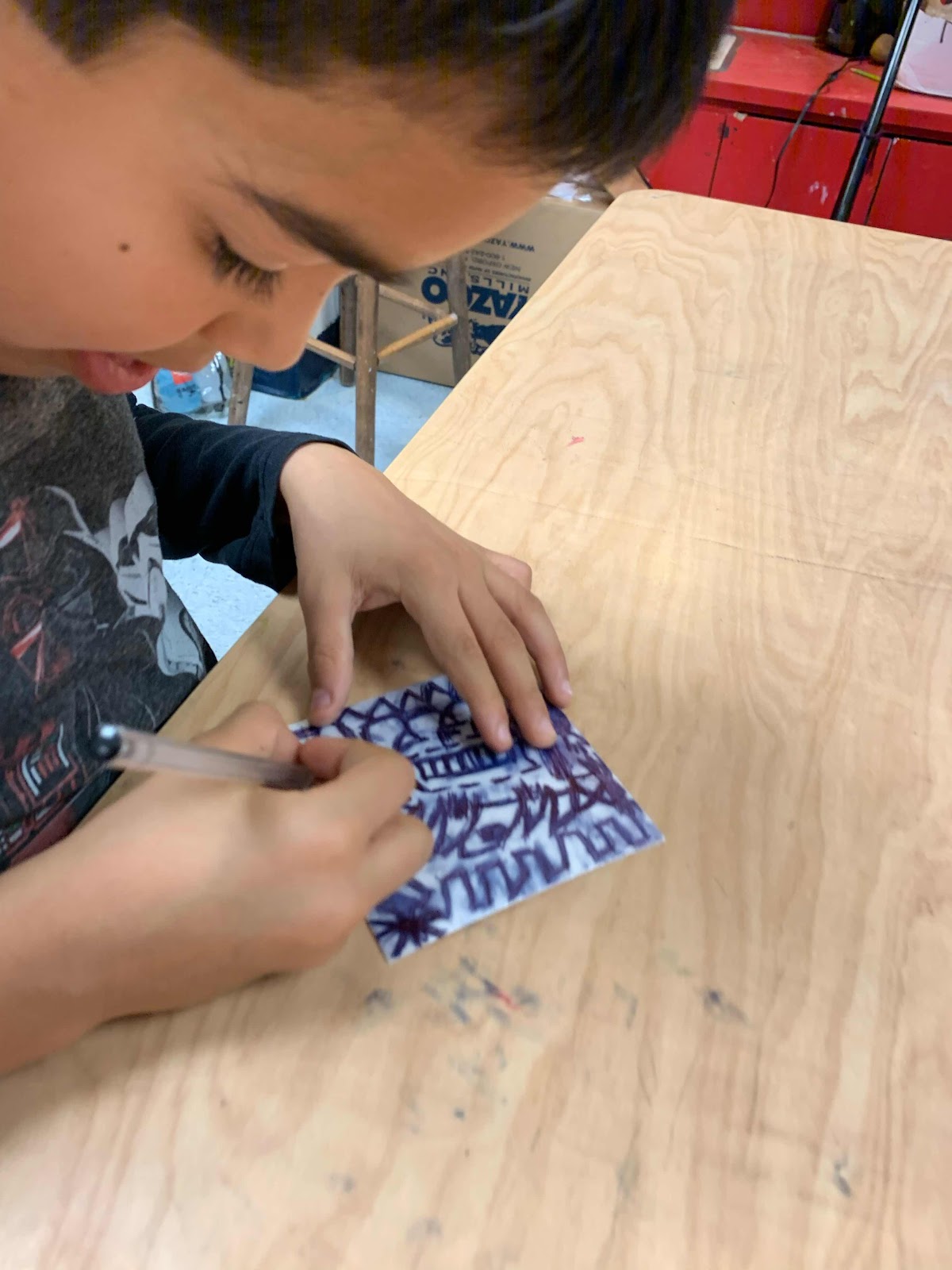
To be considered complete students must draw a thick line, be able to feel the marks and choose some spaces to color in. 


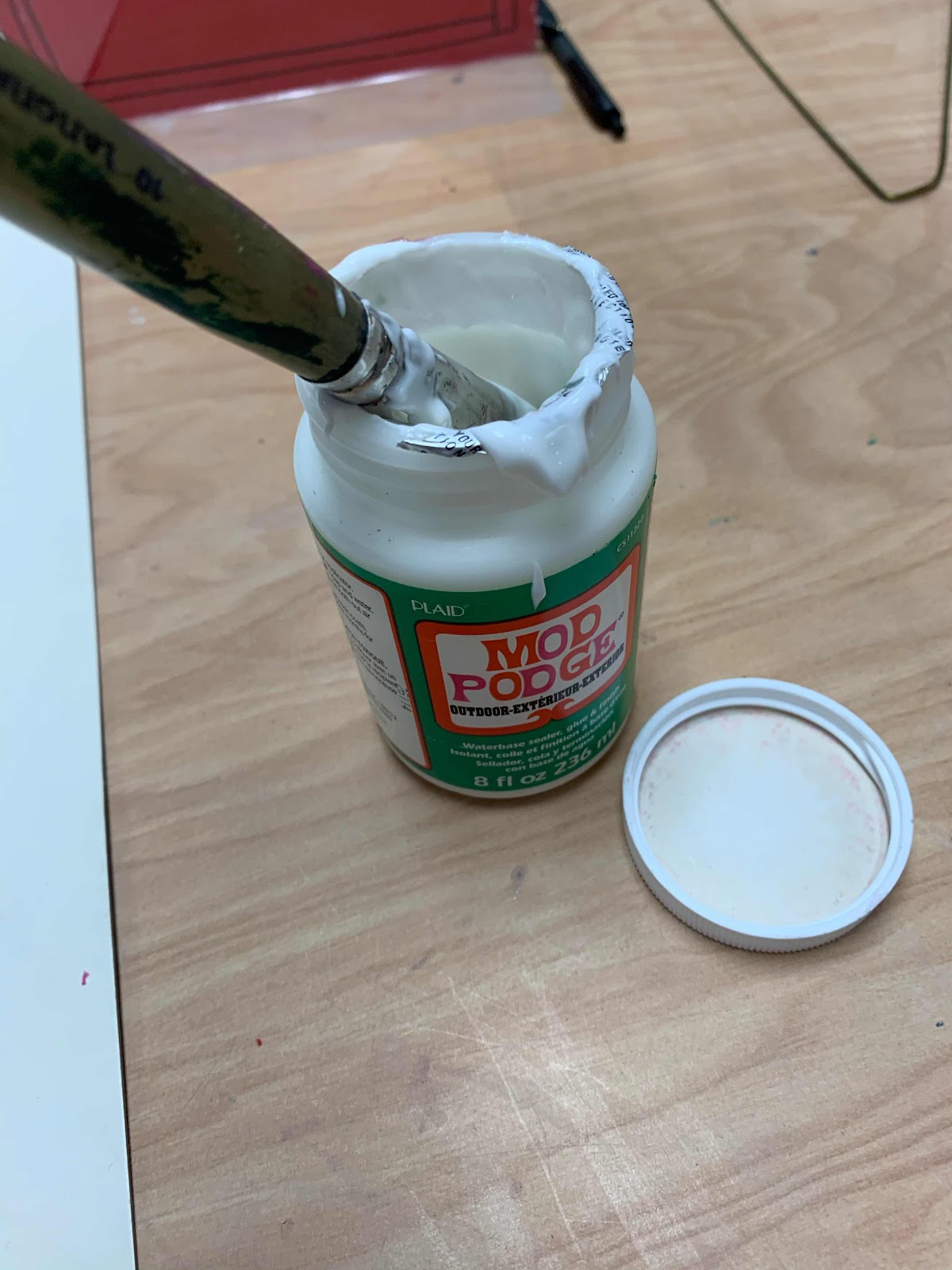
To create the group stamp I use modge podge to adhere the stamp to a large cardboard. Regular glue will not work. Tacky glue will work too. 
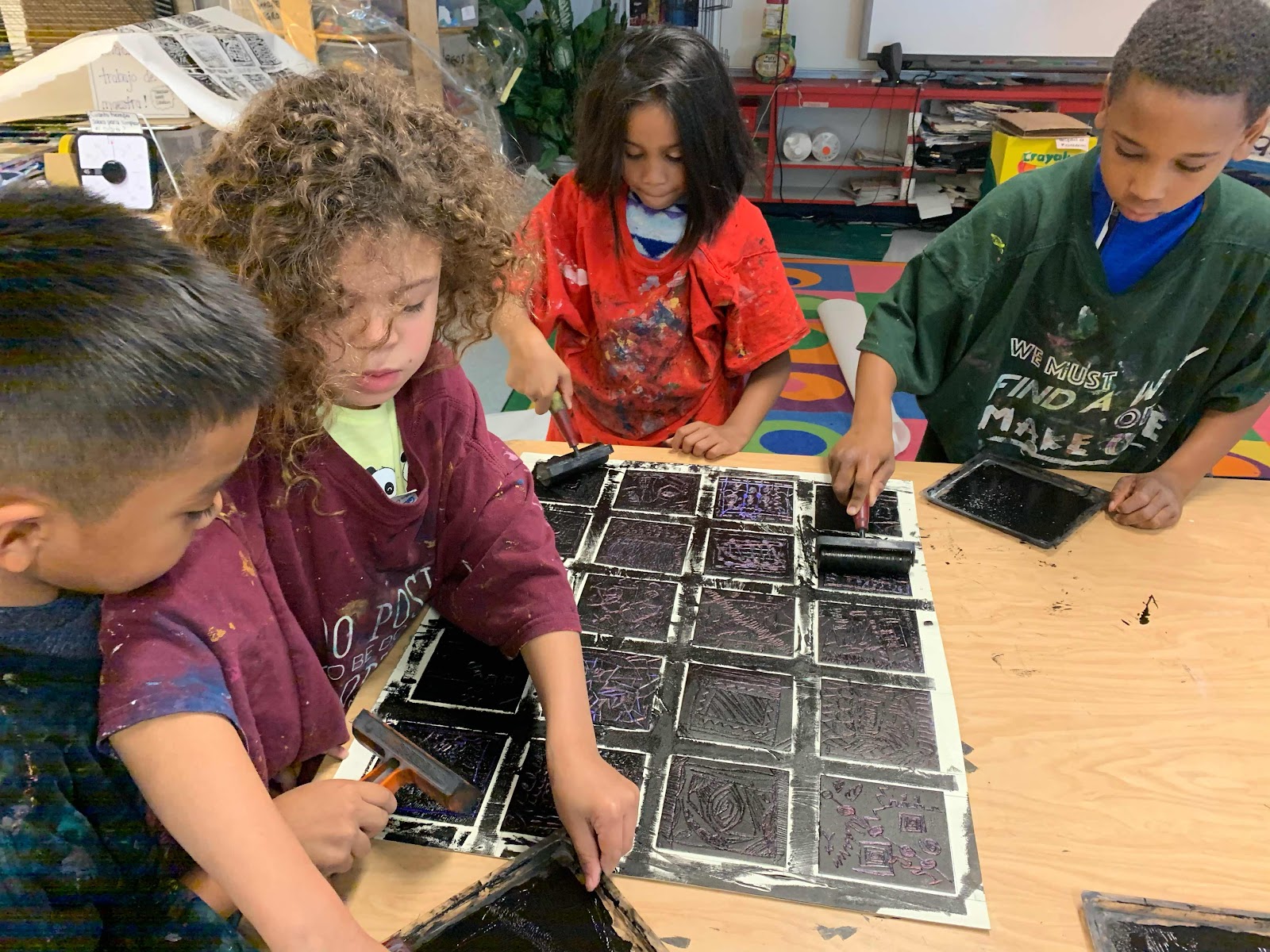
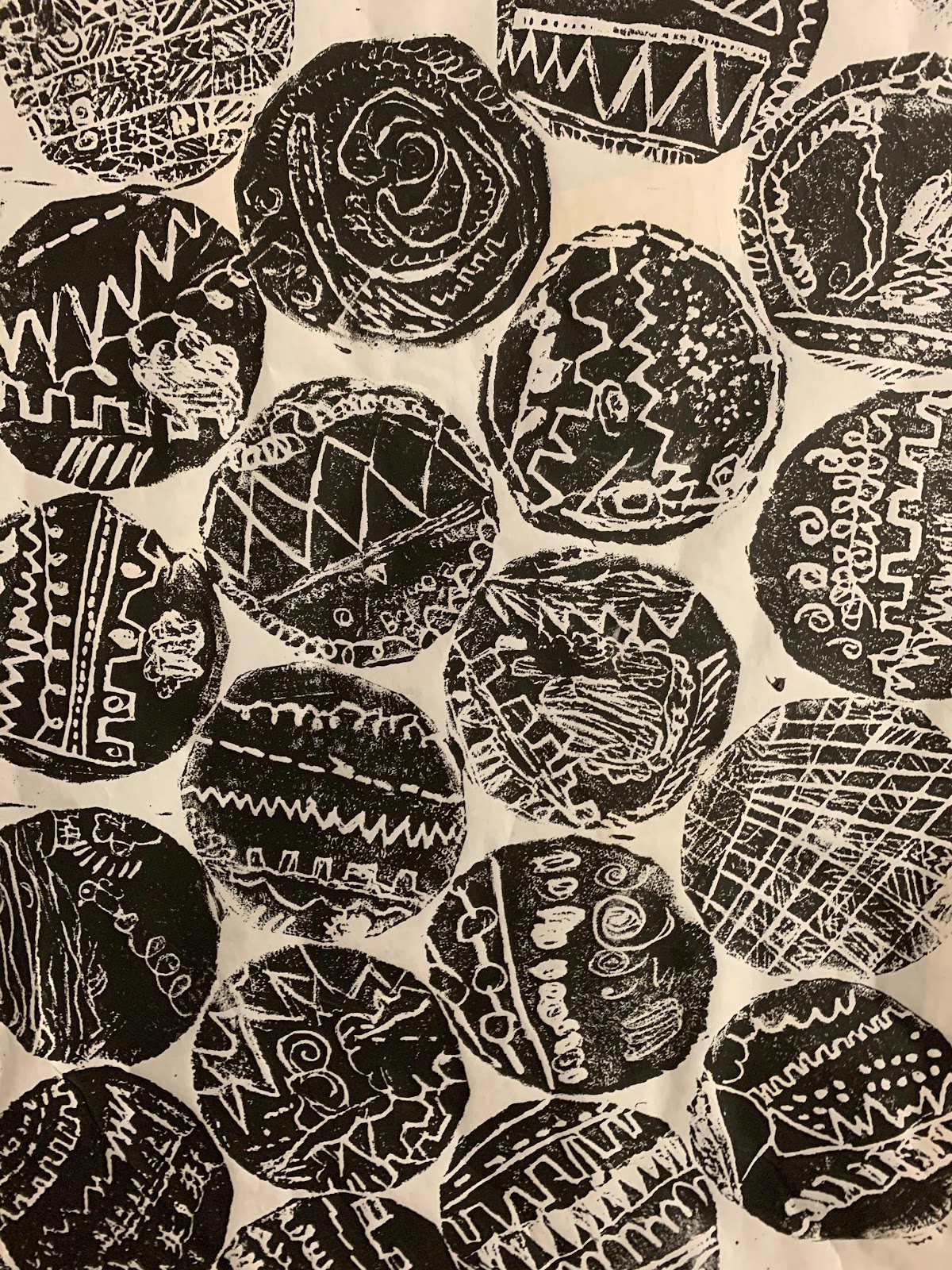
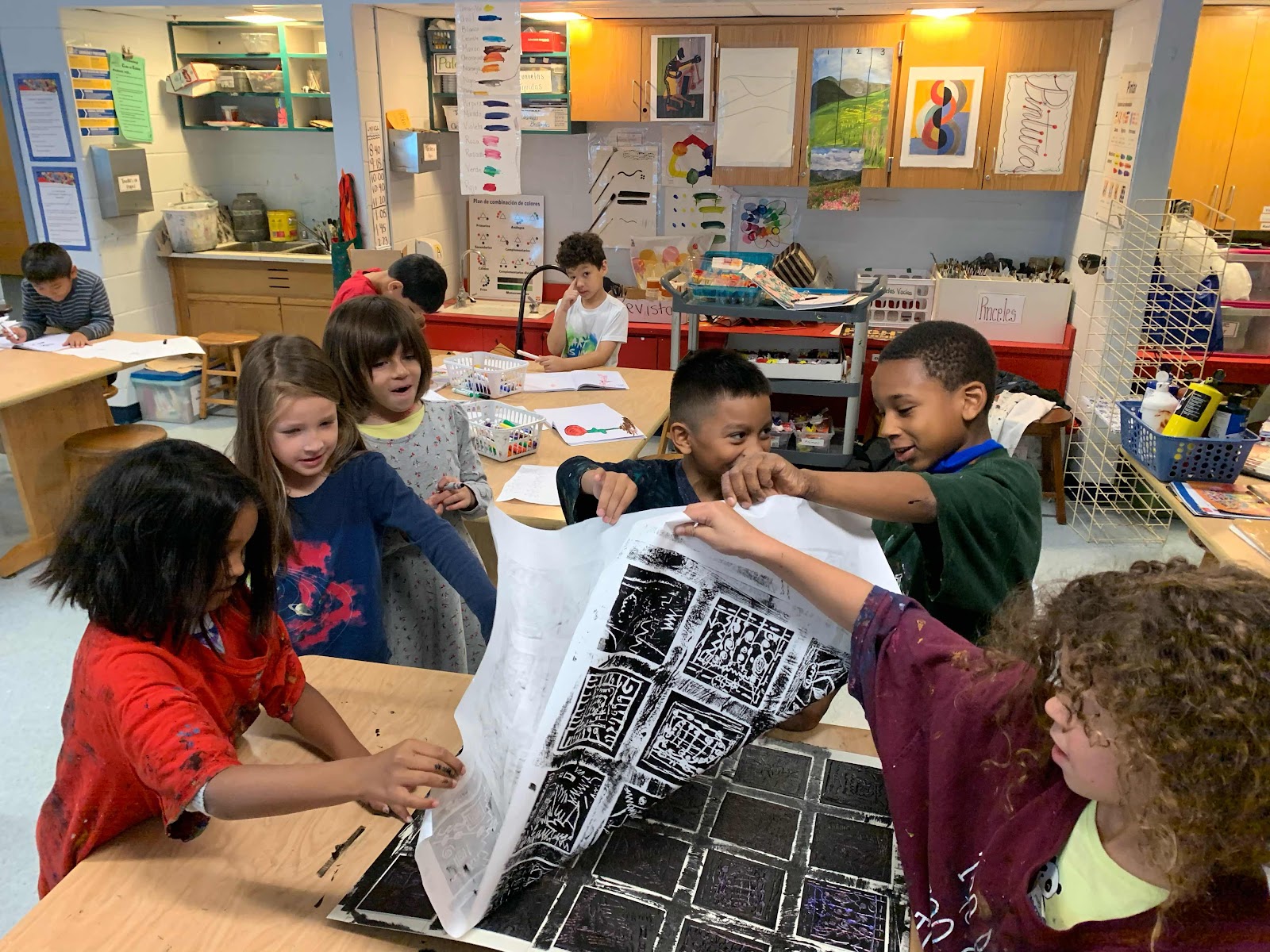
When dry, students work together to ink the large printing plate, place a large paper on top and pull the print.  
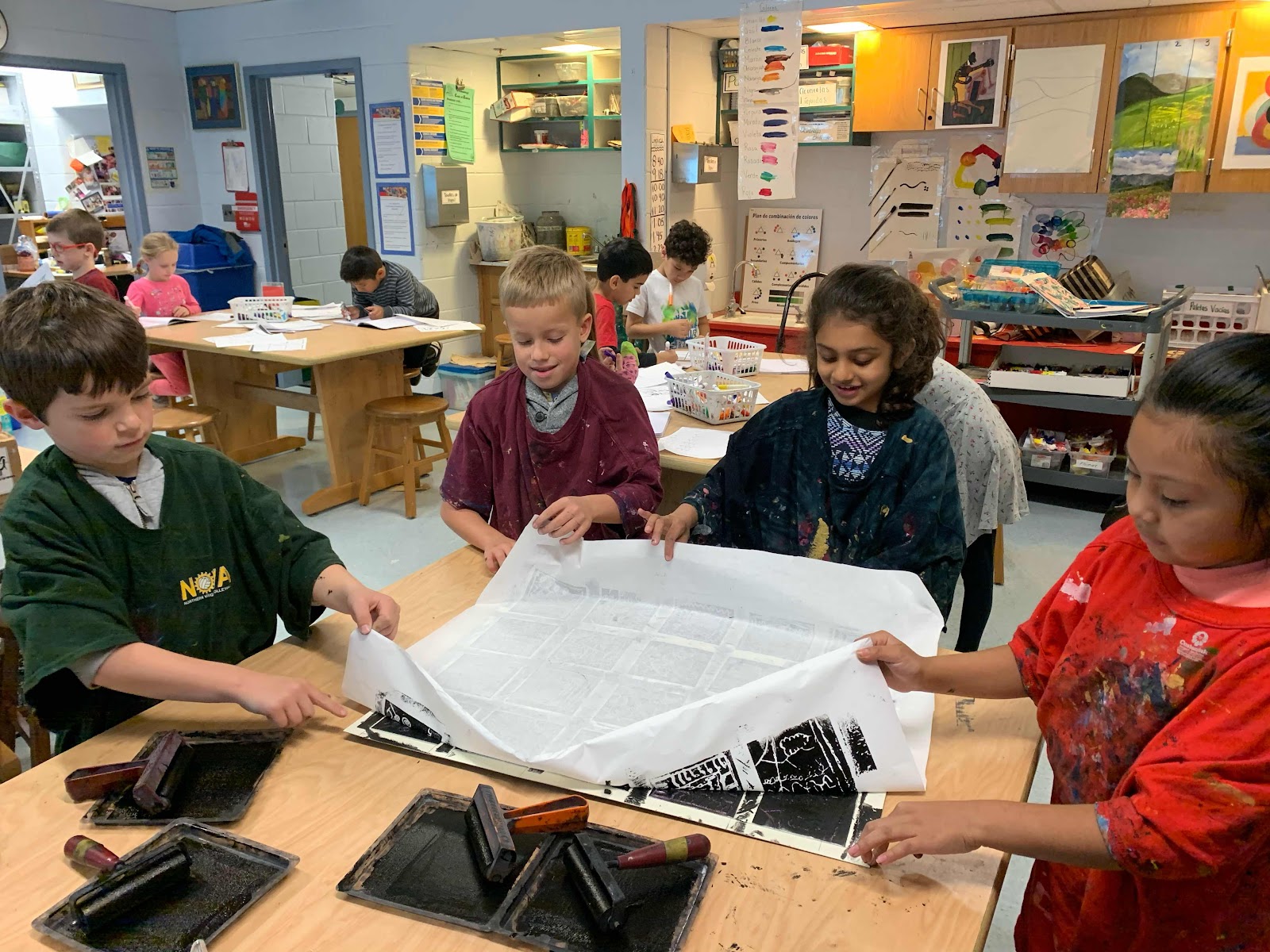

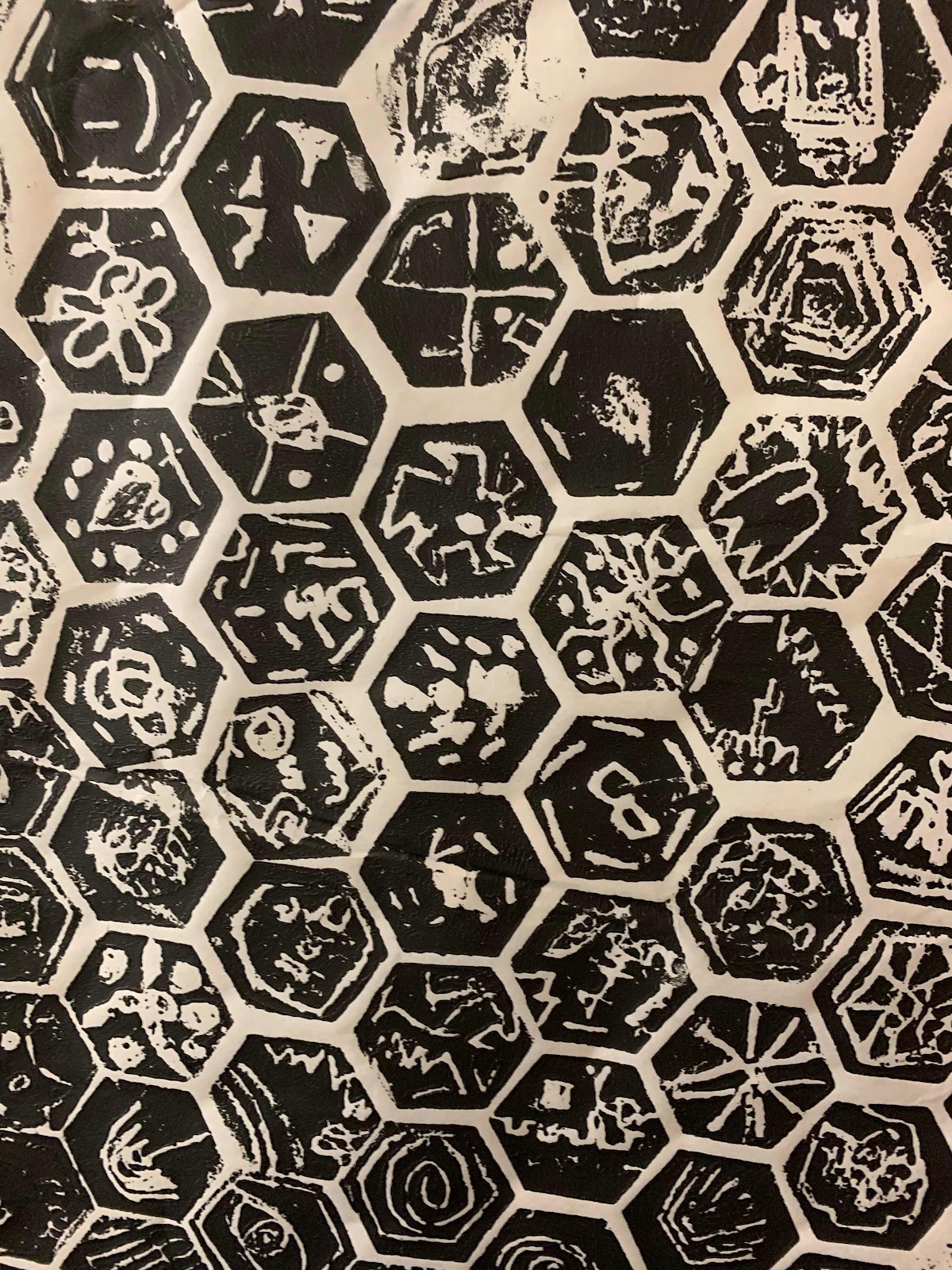
A finished group print. One of 5 we made for that grade. 
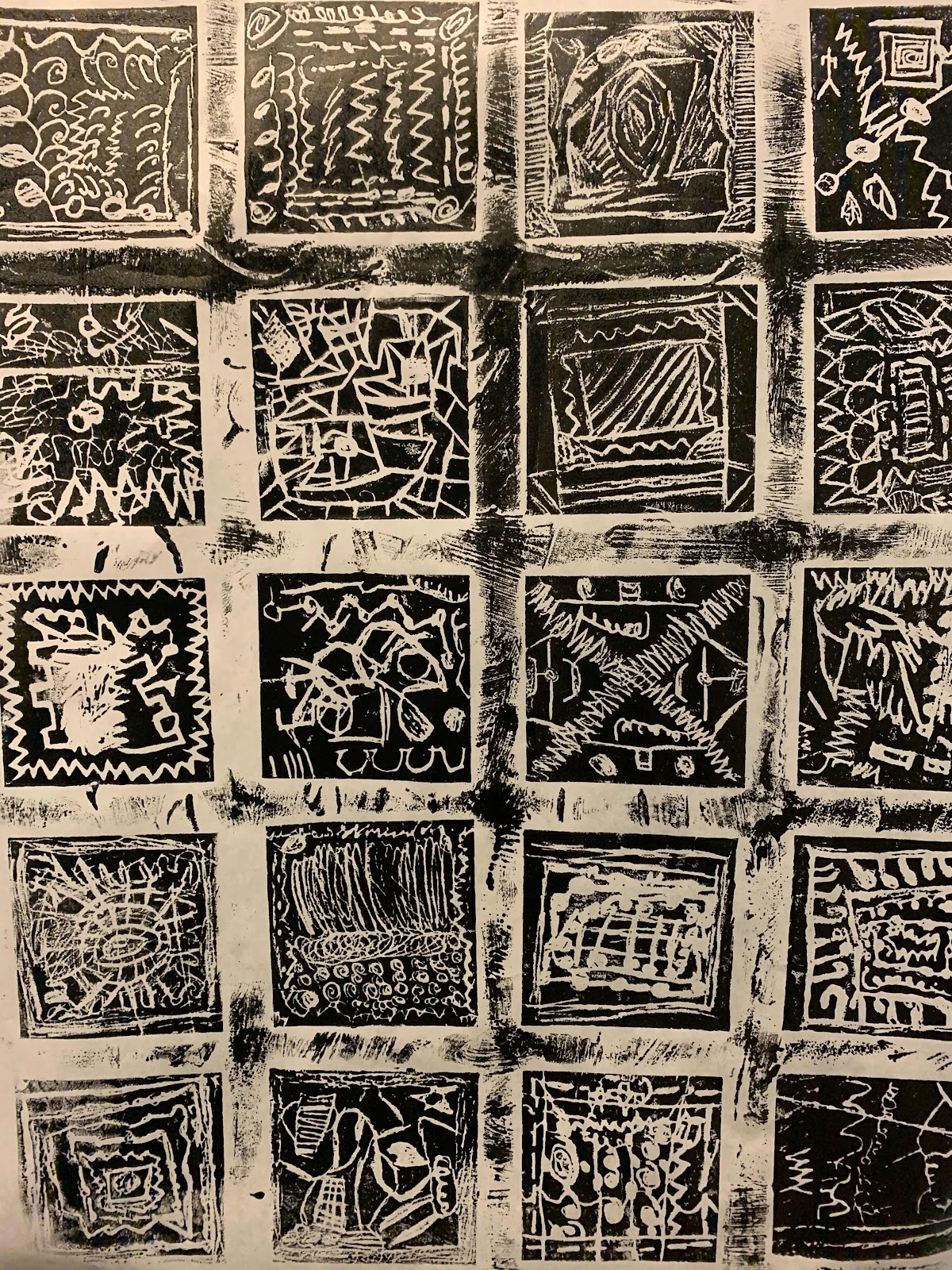


Love this image- kids working together. 
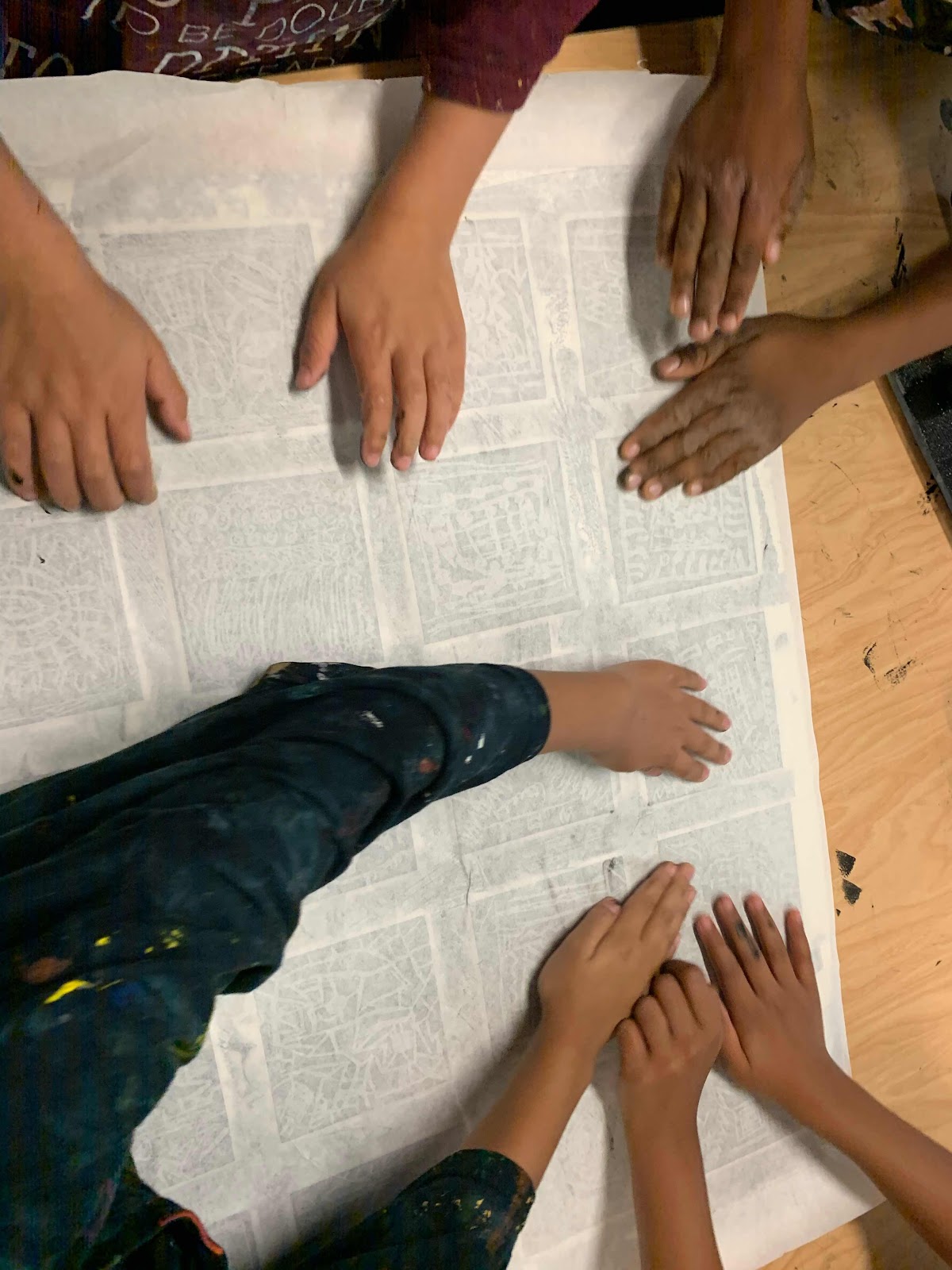

When they see their print for the first time. So satisfying. After having done this unit already on their individual prints, students will also know what looks and does not look like a successful print.....in 2nd grade. 


Blur I wrote about this work:
       "   In Ms. Cutelis' Spanish art room the main focus daily is to work together to solve personally meaningful and interesting problems. This month student's in 2nd grade, for examples got to experience various forms of printmaking techniques. We learned that a printing plate could be created by scratching the surface of the plate or by building on it. The end of all units also require students to make a group art project in which each participant adds to the final piece. Group work allows children to learn valuable 21st century skills of collaboration, problem-solving, the generation of innovative ideas, listening and speaking skills within a safe setting.

En la sala de arte en español de la Sra. Cutelis el enfoque principal diario es trabajar juntos para resolver problemas personalmente significativos e interesantes. Este mes estudiantes del 2o grado, por ejemplos, lograrón a experimentar con varias técnicas de hacer una impresión con tinta. Aprendimos que una placa de impresión se puede crear rascando la superficie con una herramienta o construyendo sobre ella con cartón. El final de todas las unidades también requiere que los estudiantes hagan un proyecto de arte grupal en el que cada participante se suma a la pieza final. El trabajo de grupo permite a los niños aprender valiosas habilidades del siglo XXI de colaboración, resolución de problemas, generación de ideas innovadoras, habilidades de escuchar y de habla dentro de un espacio seguro."


10/2/19

4th grade painting unit


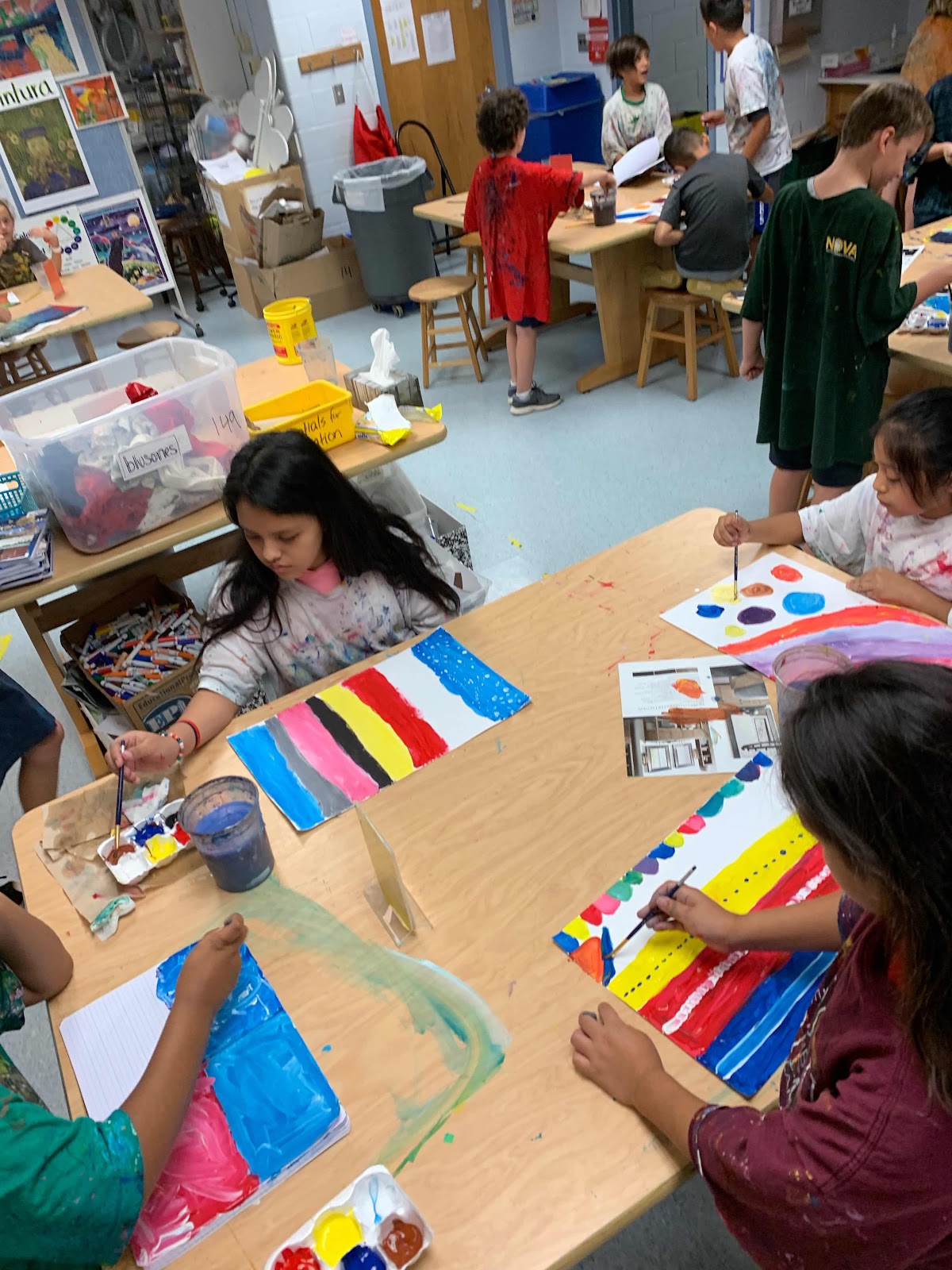
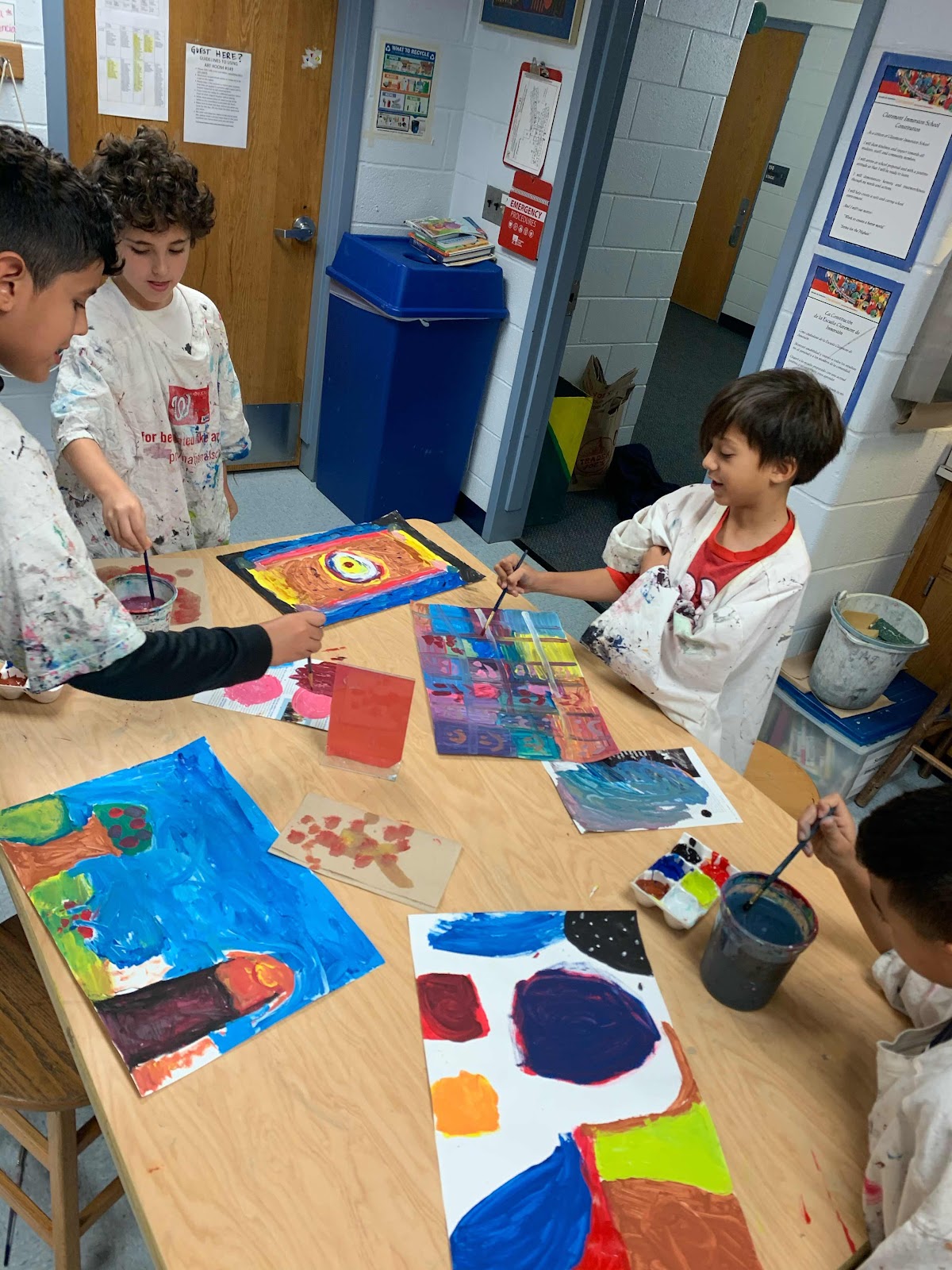
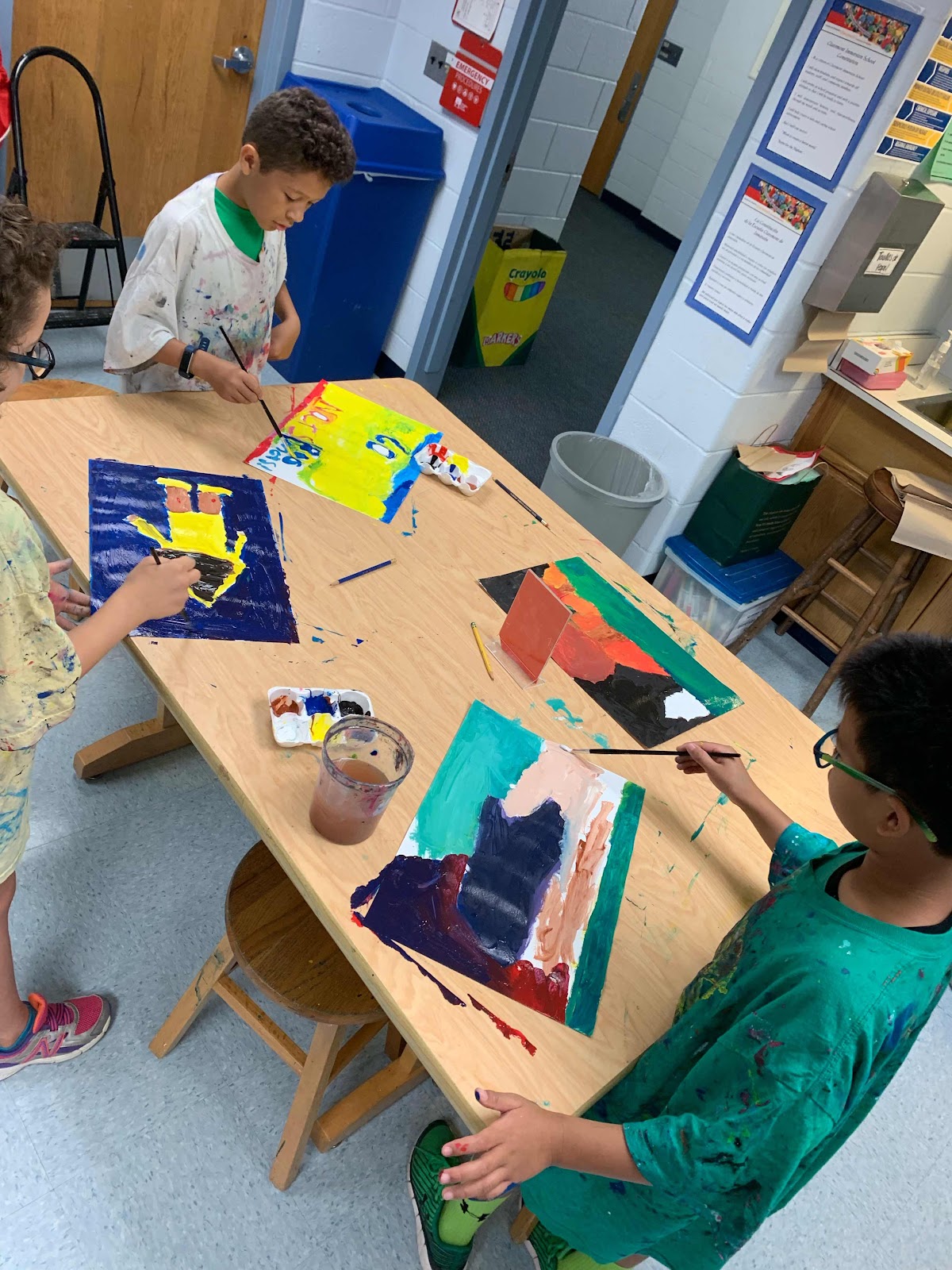
            Students in 4th grade (in fact, students in all grades) start all units with exploration. It allows me to take notes on their interests and their level of knowledge on the media. In this case, I noticed students painted in one layer and often did not paint a background. Next week we will look at various famous paintings and try to draw inspiration from them into our own work. I will give them their own paintings again and they will use varied brushes to add more layers, or add details as well as add a background. 


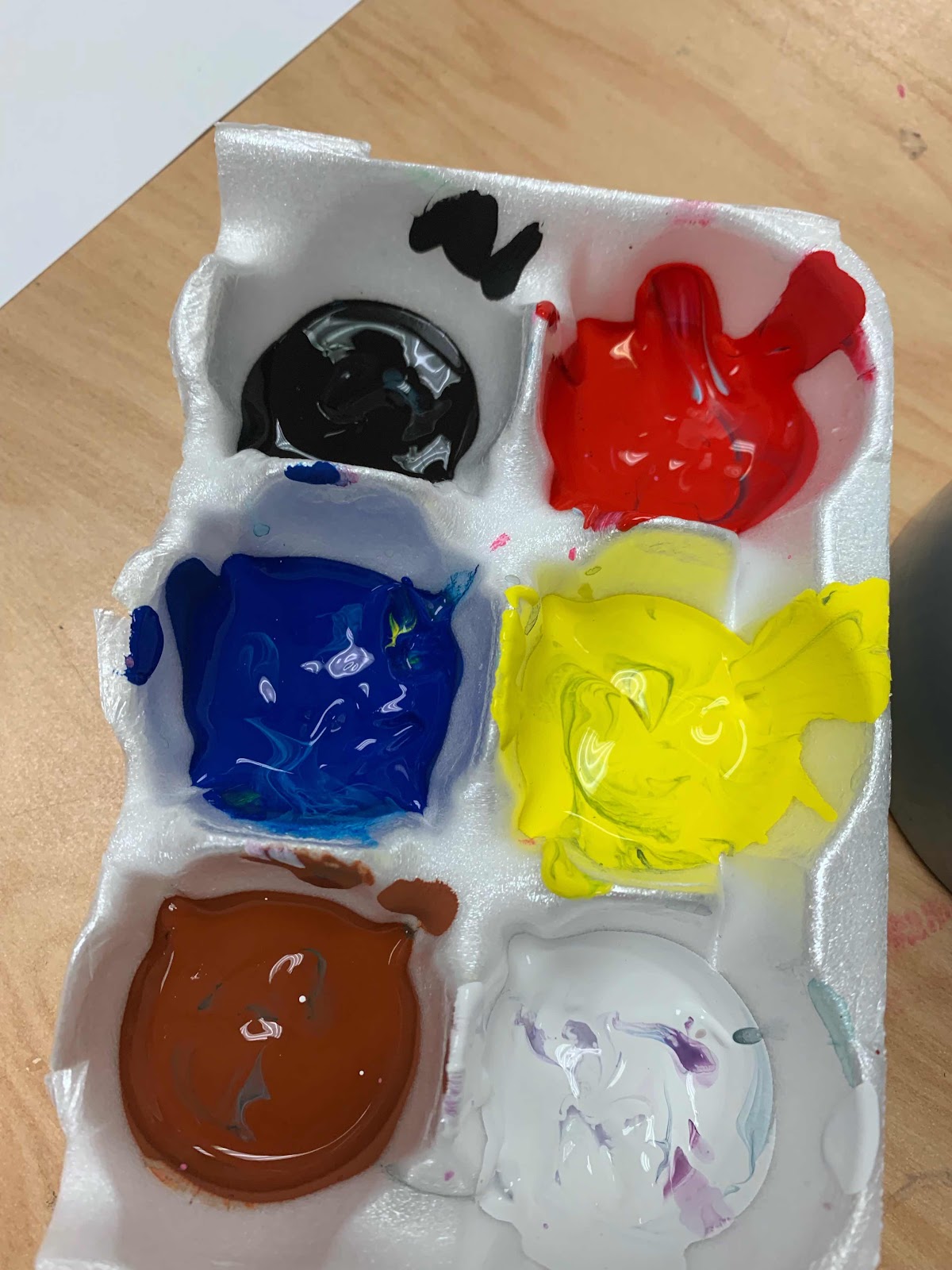
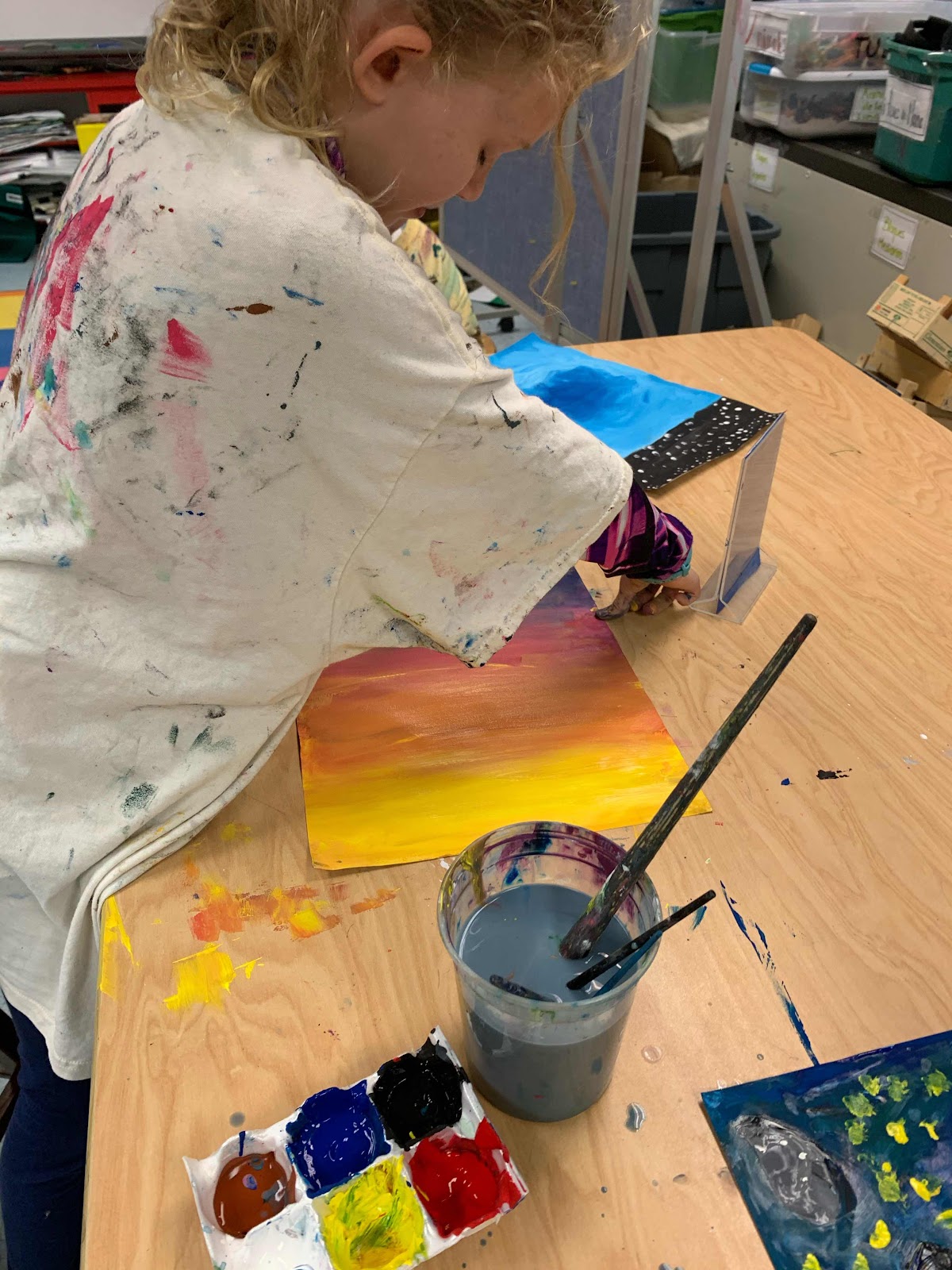
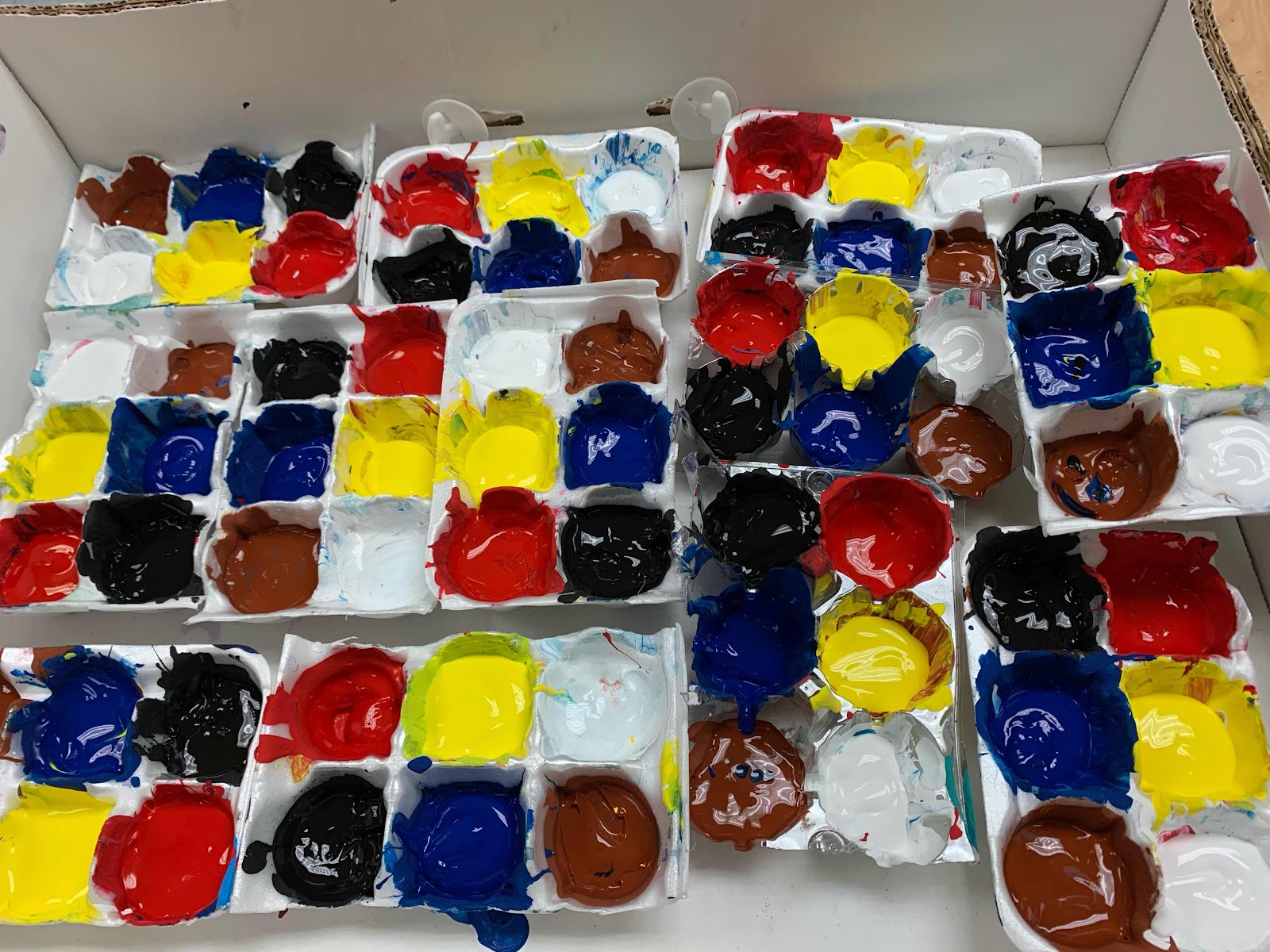
Students get only 6 colors. Black, white, red, blue, yellow and white. The primaries so they could make secondaries. White and black to make tints and shades (lighter and darker versions of colors) and brown, because it's sometimes too hard to mix it. The pink and green you see above, therefore, were mixed before applying to paper. With experience, students learn to manipulate the amounts to get the right color for the expression they seek to make. 


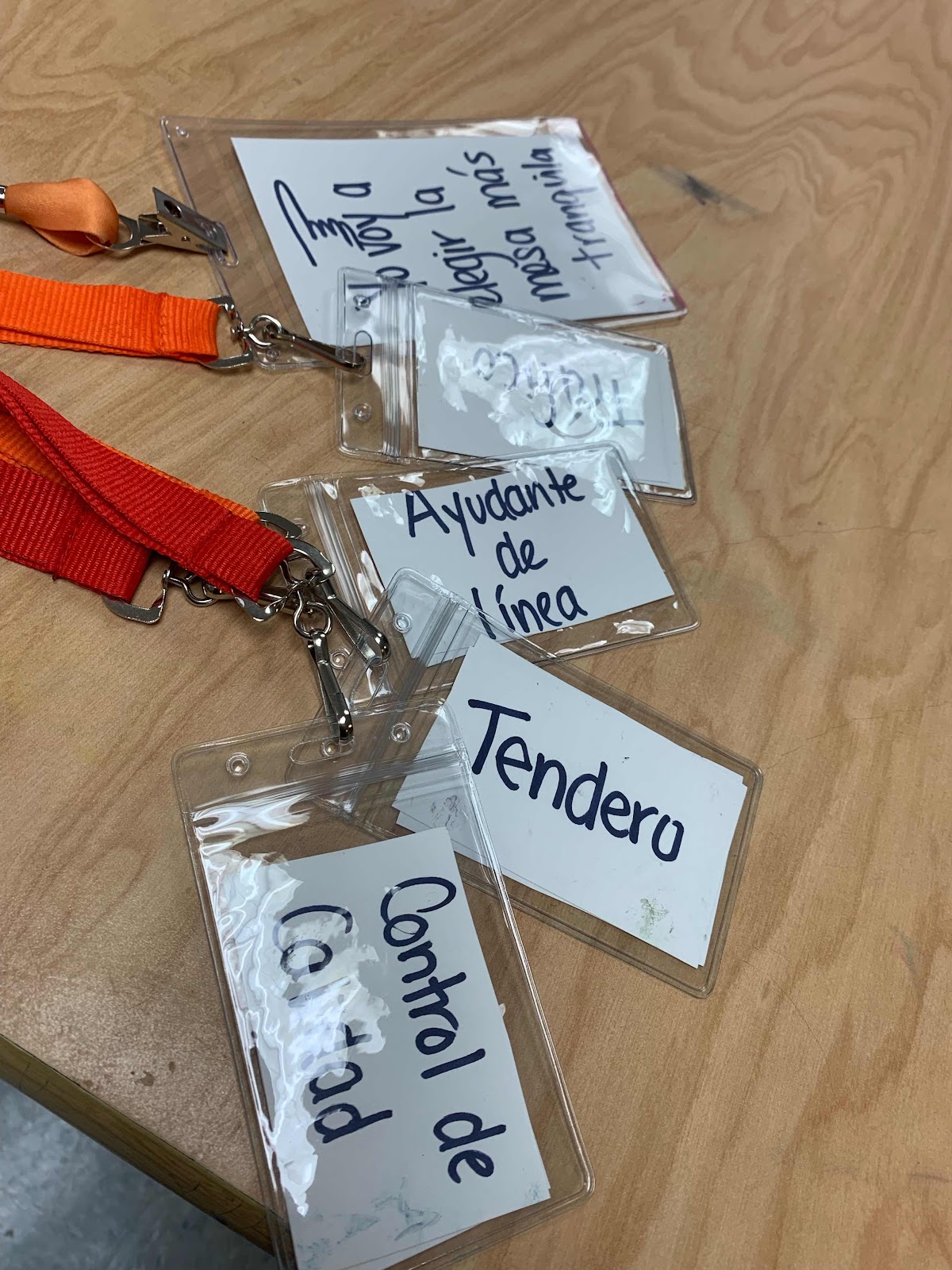
Above I have new jobs for students. I keep track of who did what job and go down the list democratically. Jobs range from traffic control by the drying rack, calling kids to line when quiet to line helper, who call kids in line to back if they are talking while waiting for teacher to arrive for pick-up. 

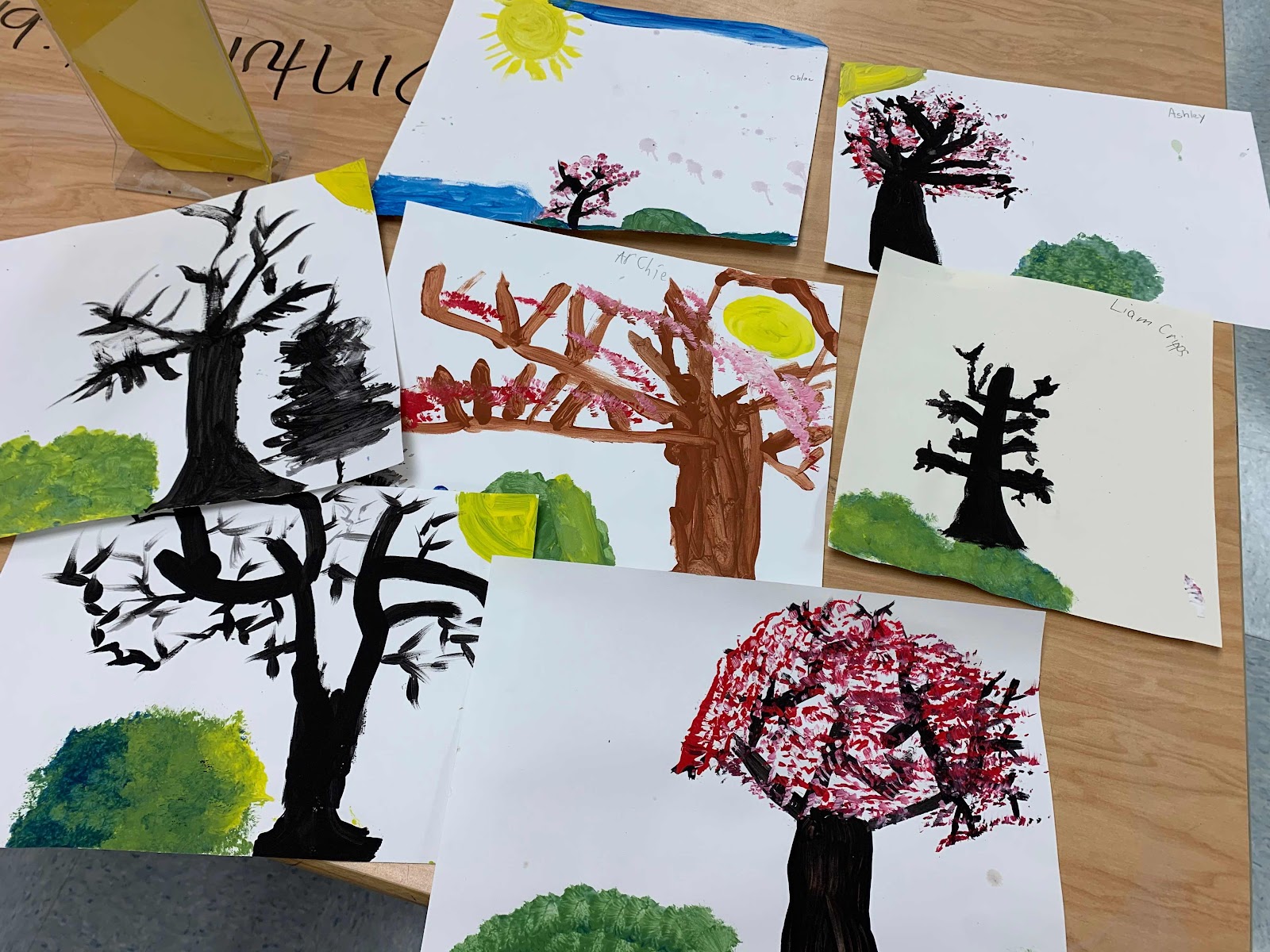
I never tell students what to paint. For kids who are used to just following directions, transitioning to this might be a bit tough, yet, eventually, all students know that when they work with me I fully expect them to come up with their own ideas. I teach them the techniques, but I NEVER say, we will all paint (fill in the blank). That is not art, that is craft. 


Some students just enjoy mixing colors, that is okay. 

Some explore wet on wet techniques, others explore wet on dry techniques. 


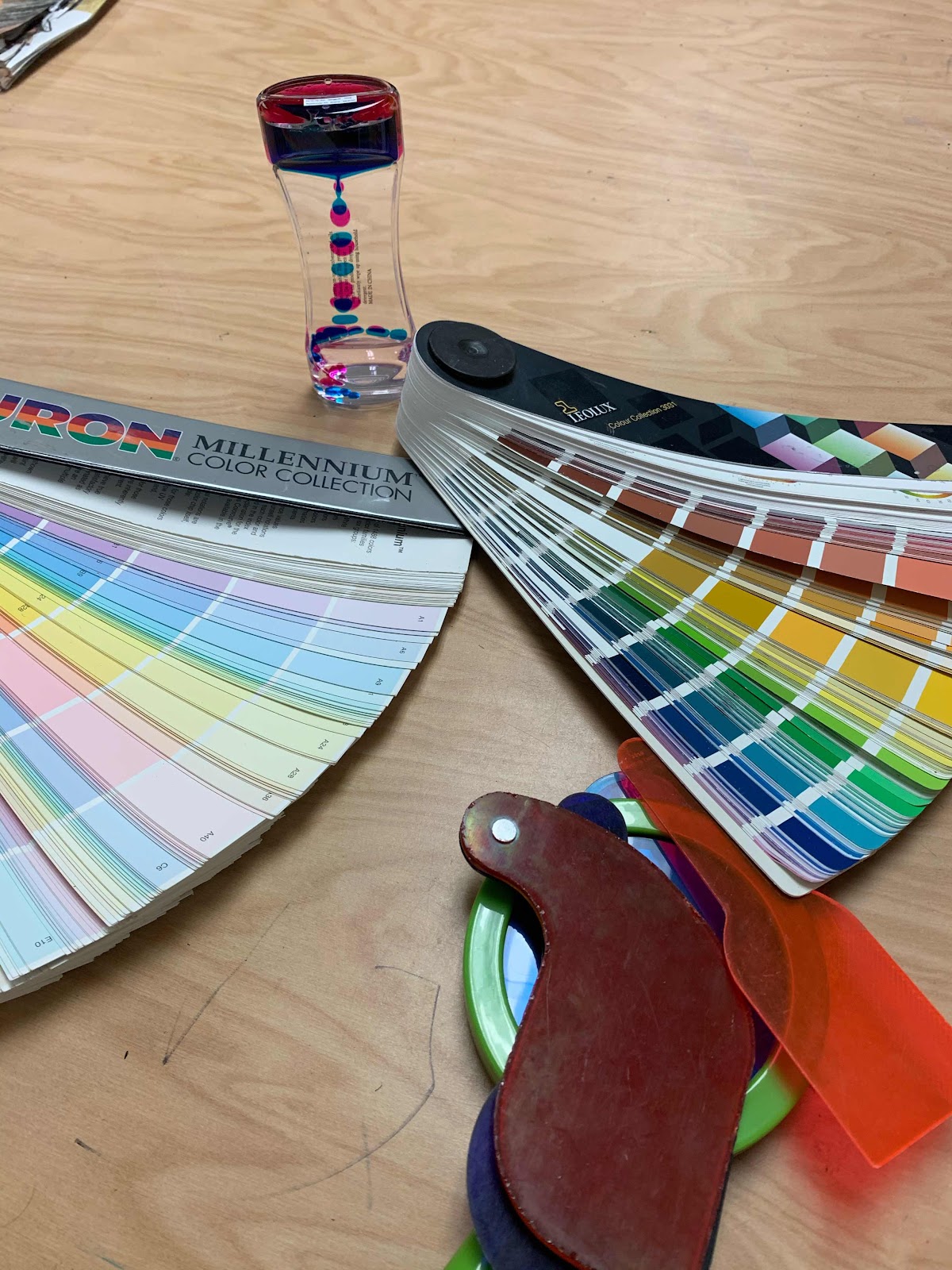
Lots of colors are being invented, mixed, found, learned.... these are some of their mixing colors..


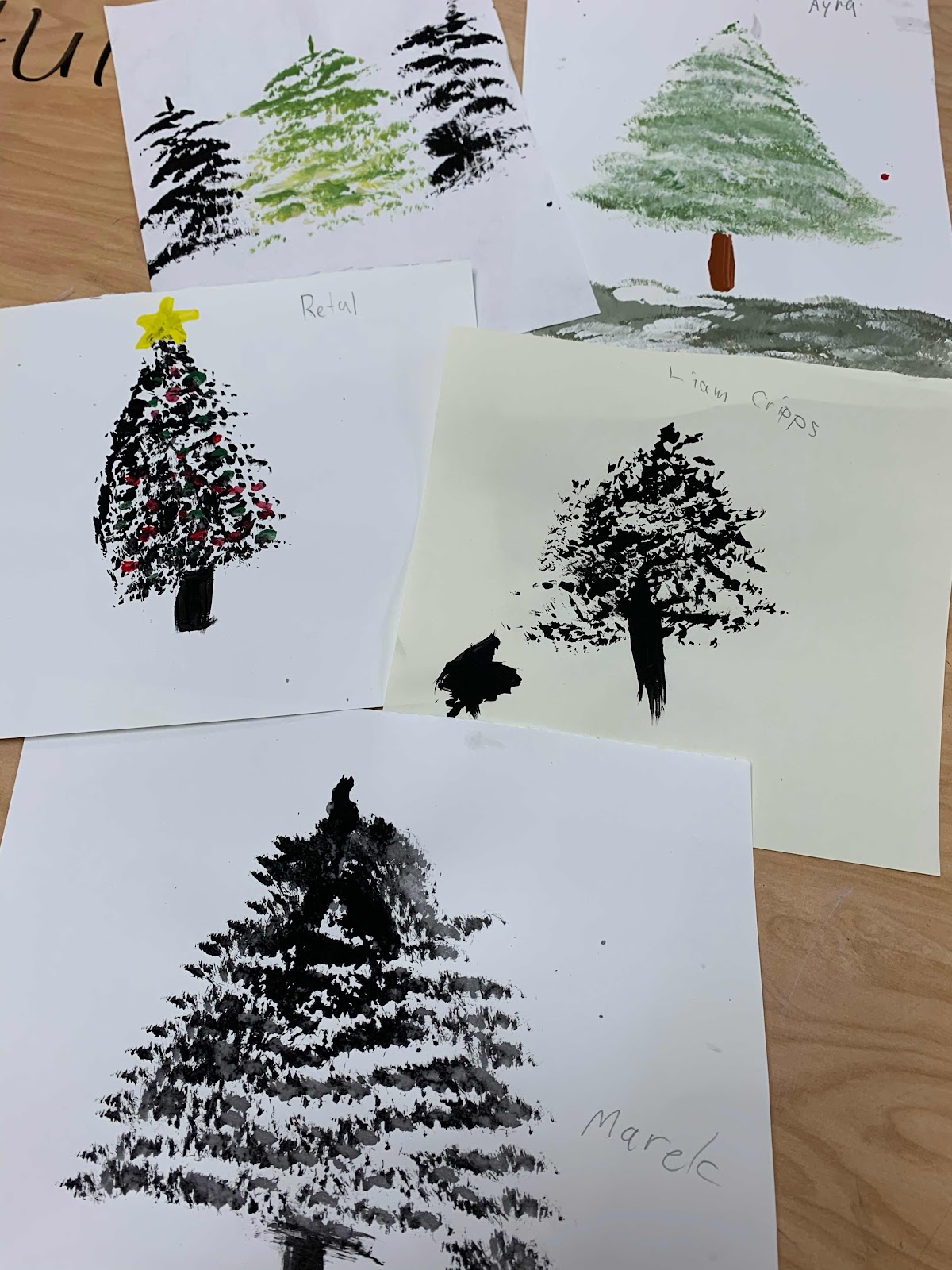
After exploration, students practice painting several aspects of a landscape painting. Trees, pines, flowers, sky, water, bushes...etc. 


I also have tons of landscapes hung all over the classroom, for both inspiration and ideation. 

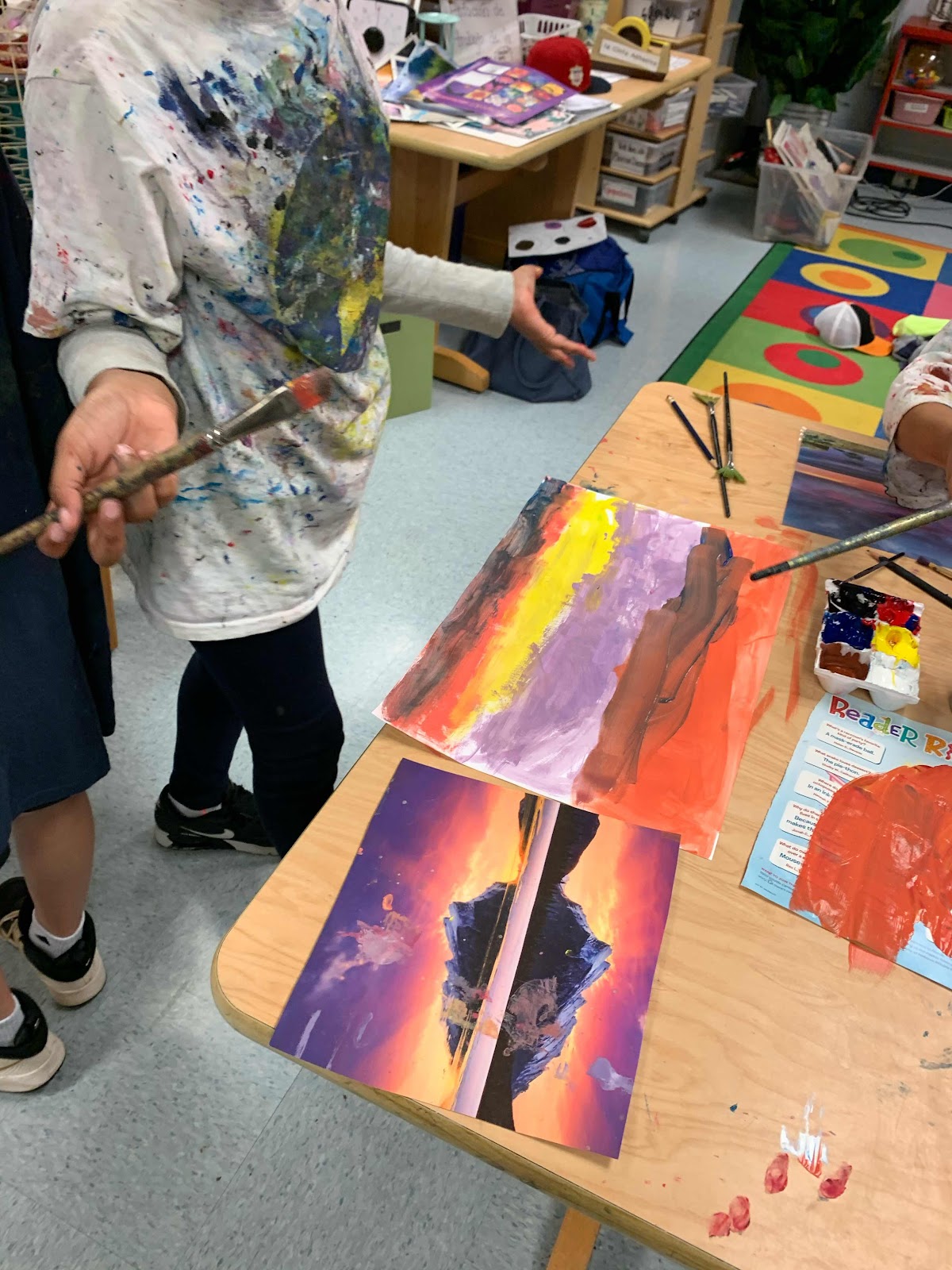
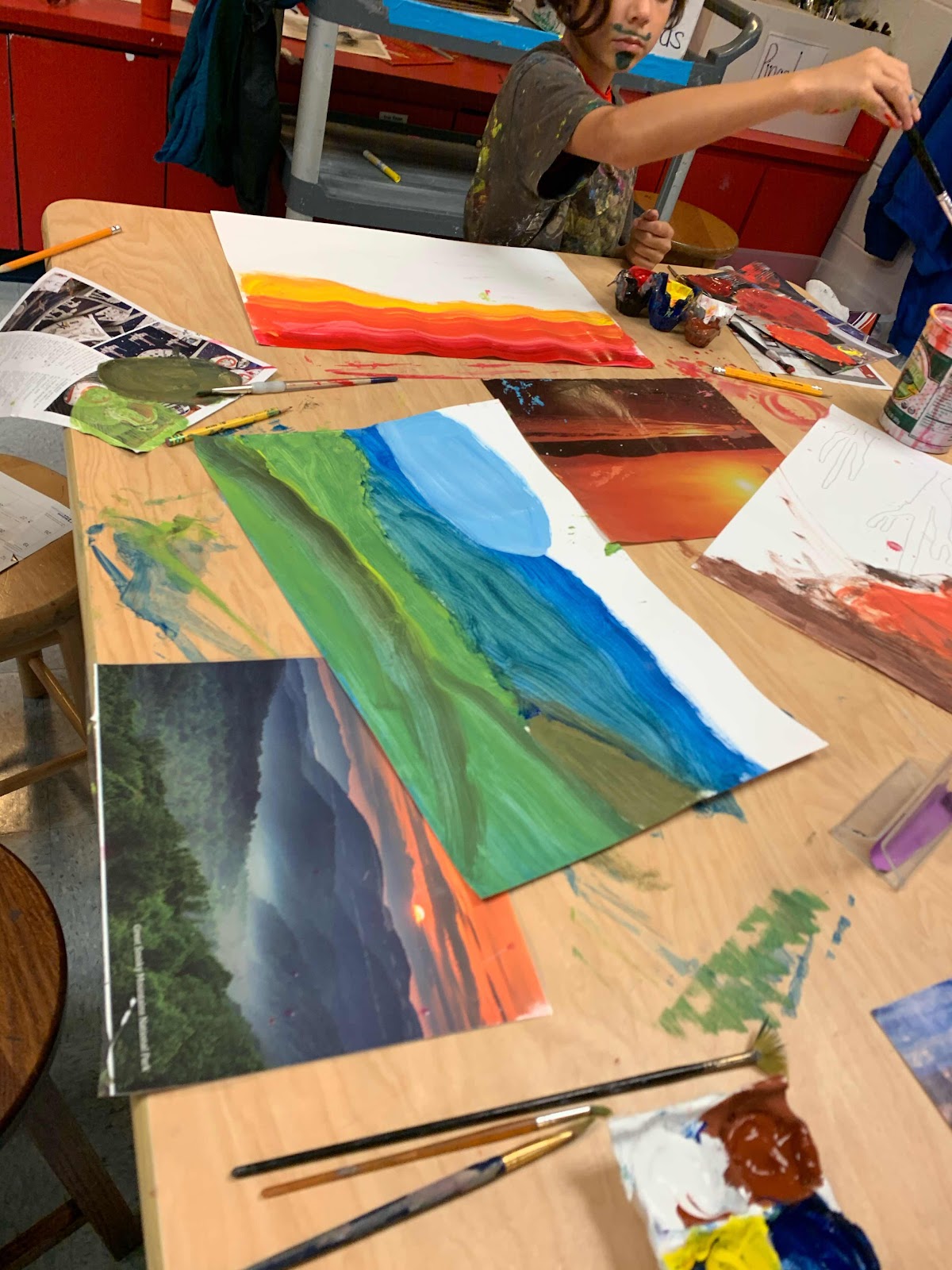
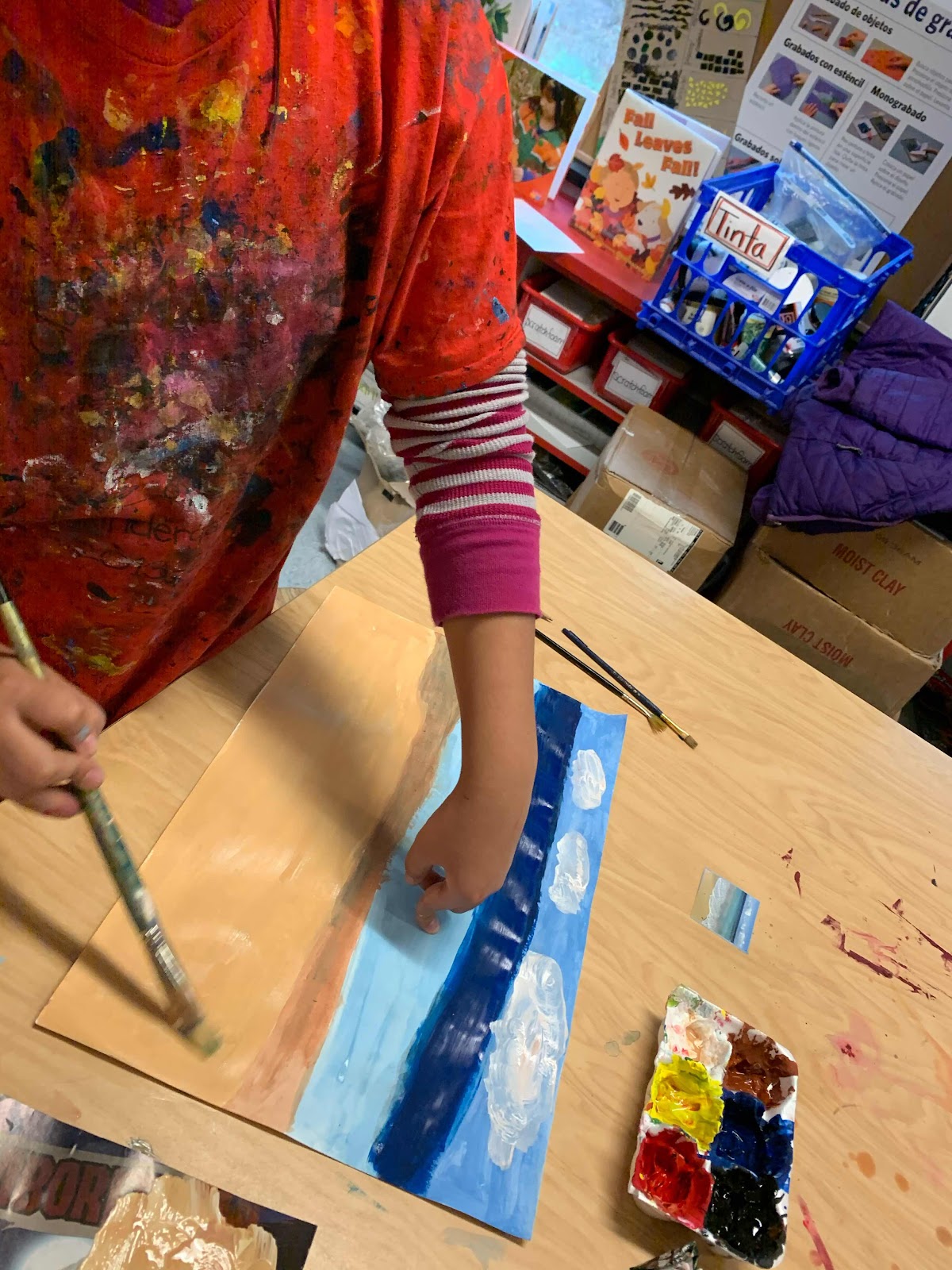
I then have them choose, from a box of hundreds of calendar images of landscapes, one to inspire their own landscape....I do a short demo on how we paint back to front... so what we see furthest in the image is first. Time is also very important. Sometimes we wait for the color to dry to add paint on top, sometimes not. 

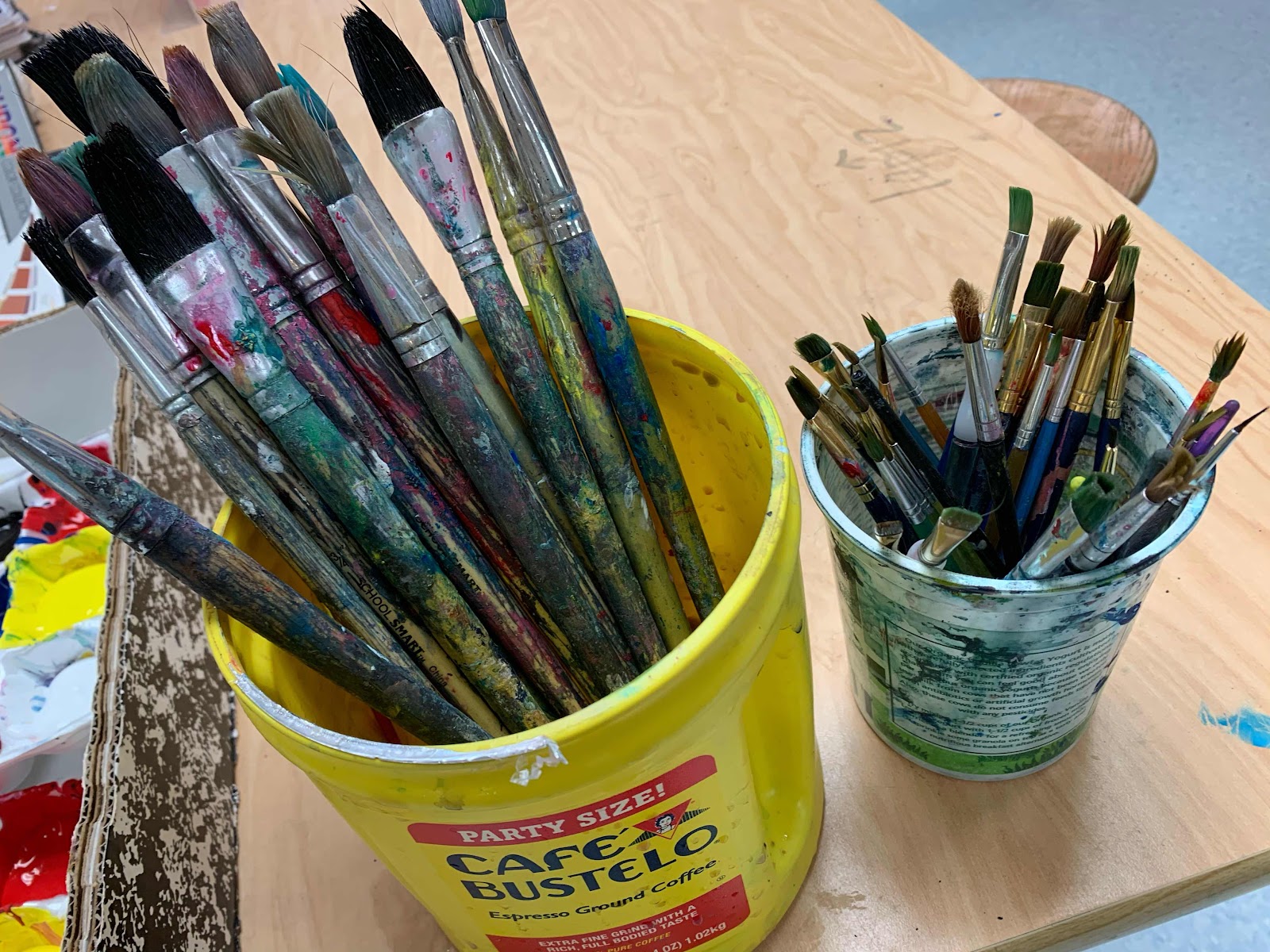
Students have access to varied brushes... big brushes to fill in spaces fast, smaller for smaller spaces, fanned brushes for bushes and trees. detail brushes for fine lines. 


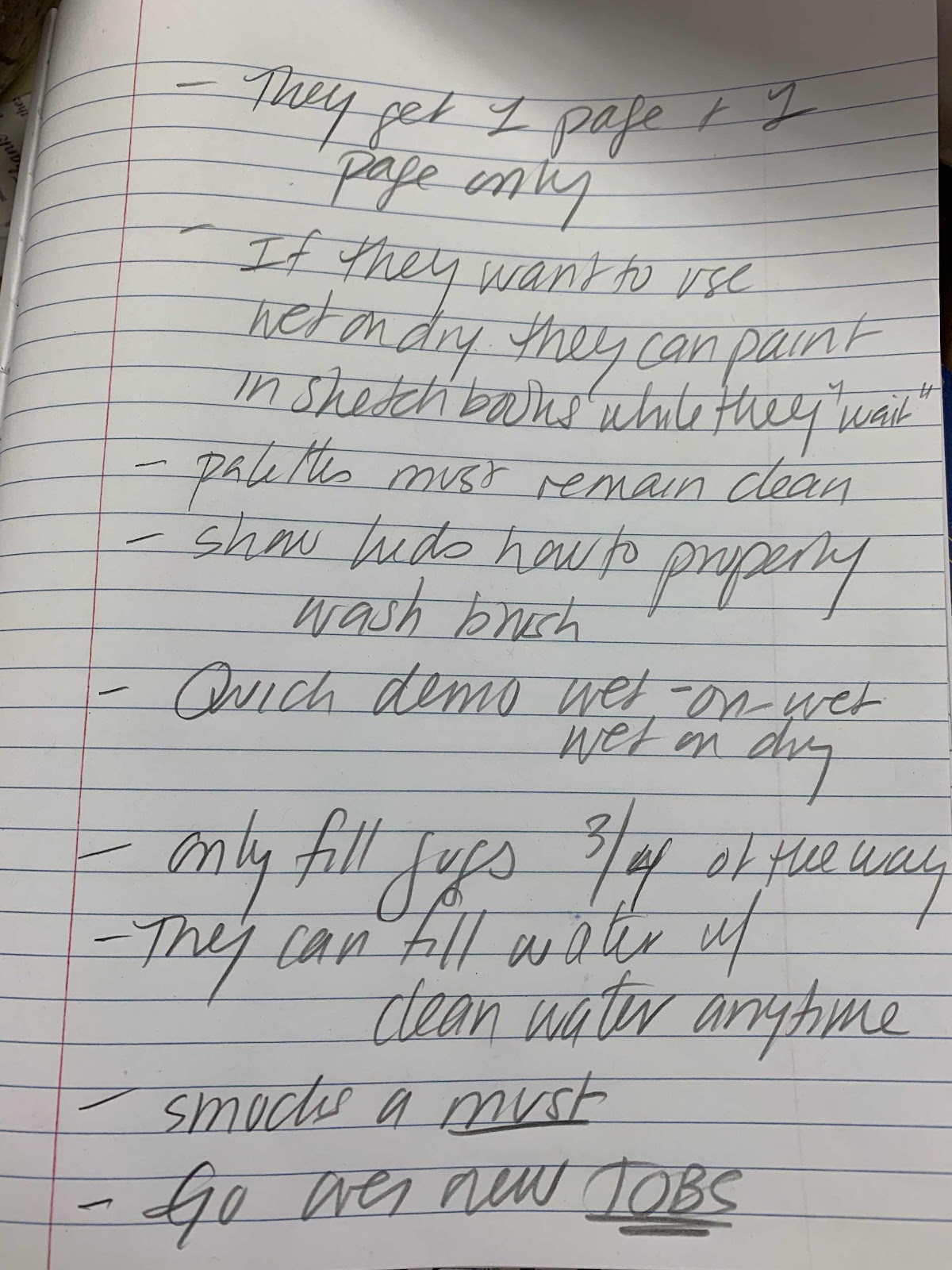
I have a table I call "the store" in the classroom. In Spanish we call it, "el mercado" (same translation). Kids can use any and all materials placed in this table. I have mixing paper (loose magazine pages), brushes, cups, and ready to go paint palettes. Kids have been taught to fill and clean up their own cups of water when needed, as long as it's only 3/4 of the way. 


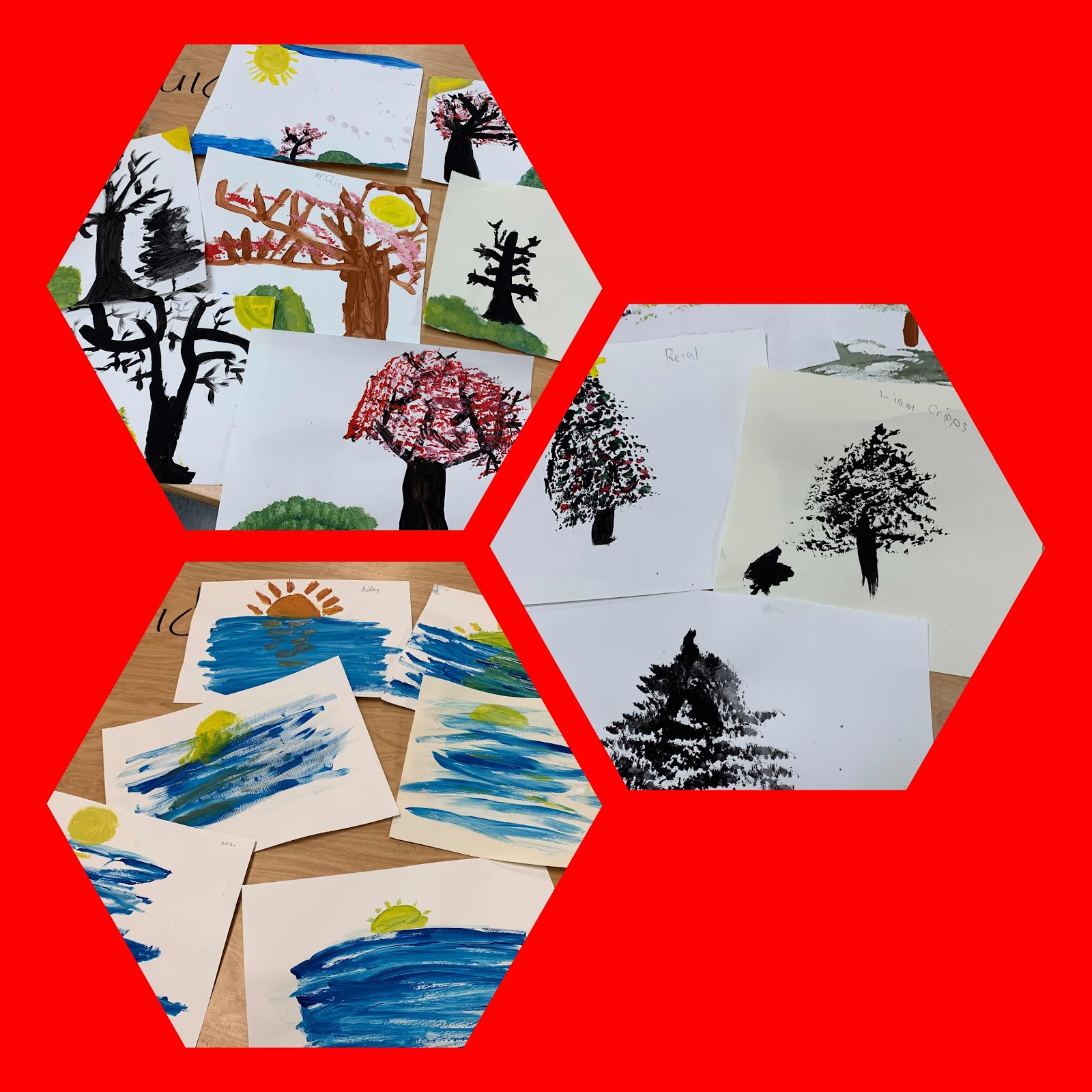
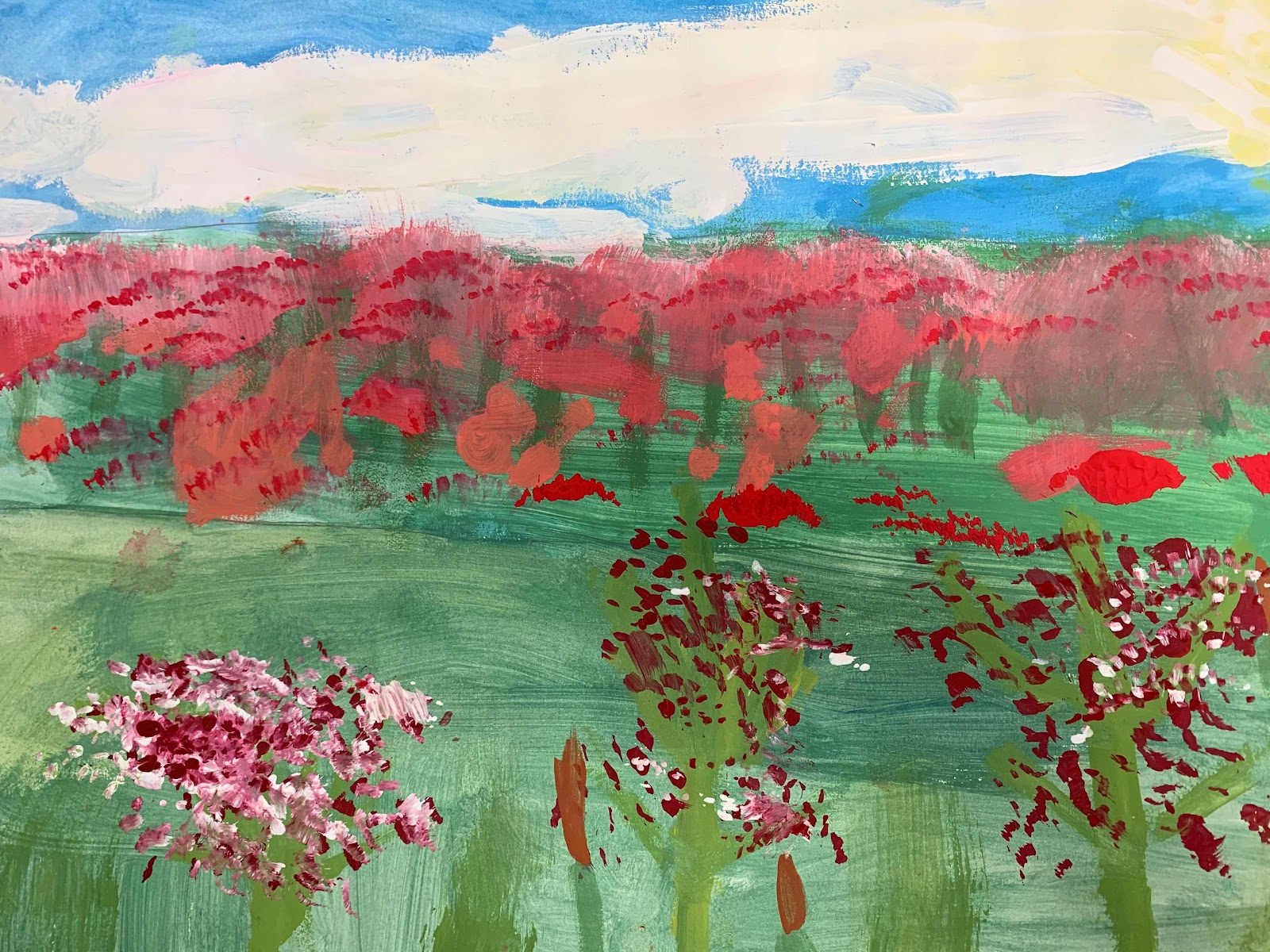
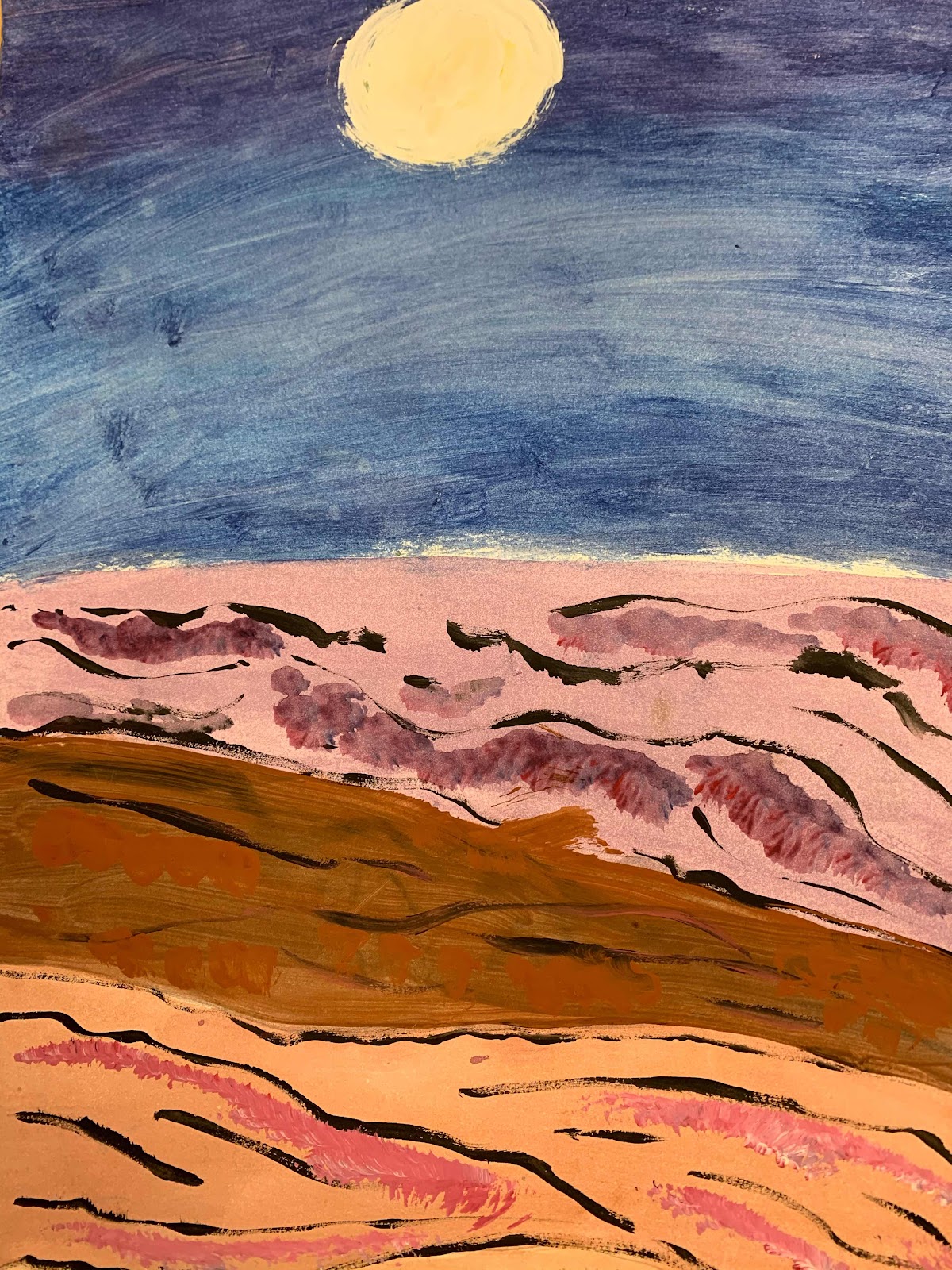
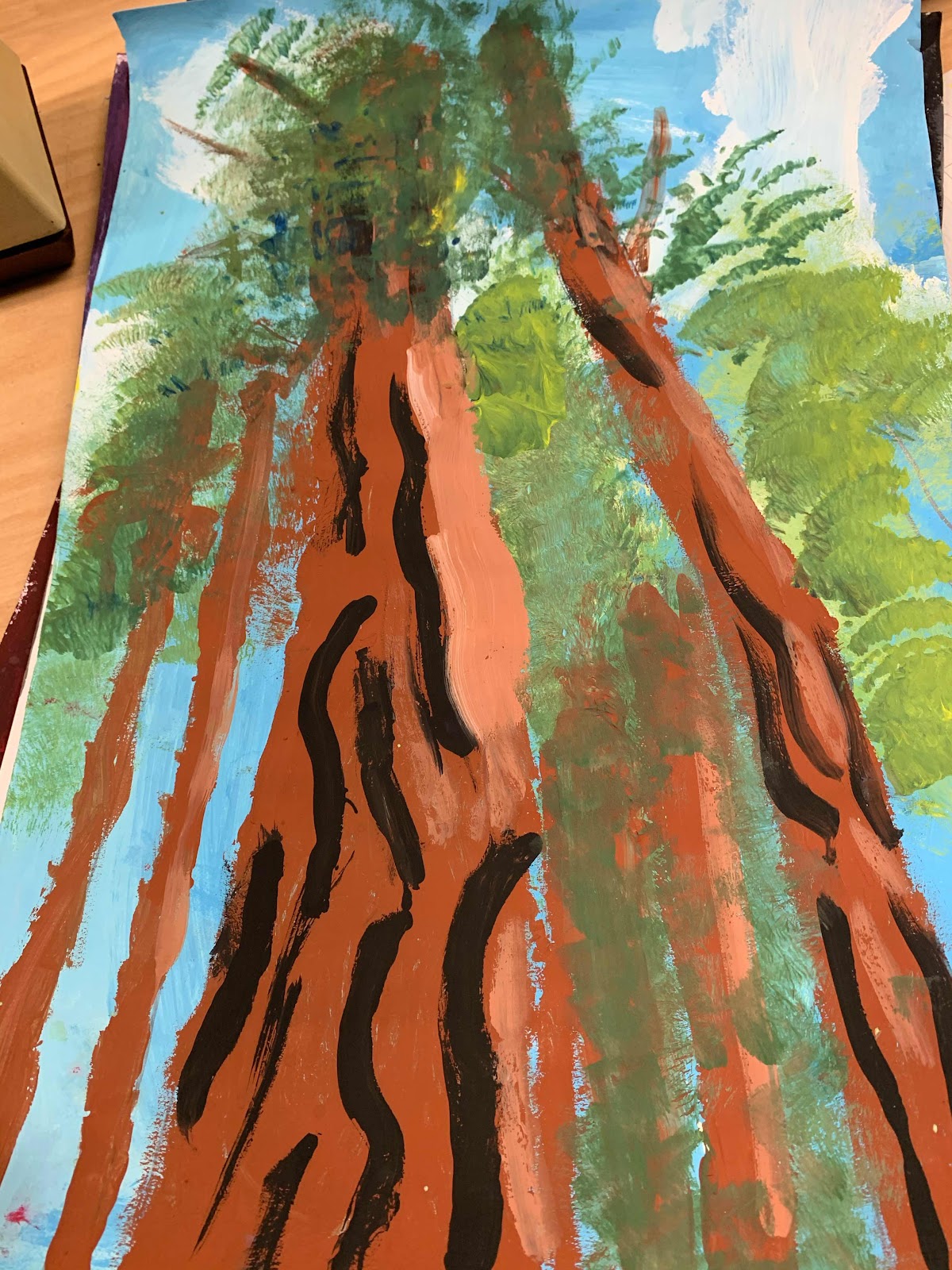
Some finished work ....hot off the press. Notice how different each piece is. Notice that they all are not the same idea. This is because I let them decide what to paint. The overall theme is landscape but within that they got to choose what to paint, and each faced the same set of challenges...such as how to make the colors needed, which colors go first, what brushes to use, should they wait or paint on the painting while wet with another color. All these are decisions they faced while working on their painting. 


More images to come week of November 11, 2019.