After our individual printmaking unit, I will often do a group work. Group work allows kids to learn strategies of how to solve interesting problems together. This idea is not mine. Seth Godin, an author, thinker and blogger says that all education needs to do is have kids solve interesting problems together.
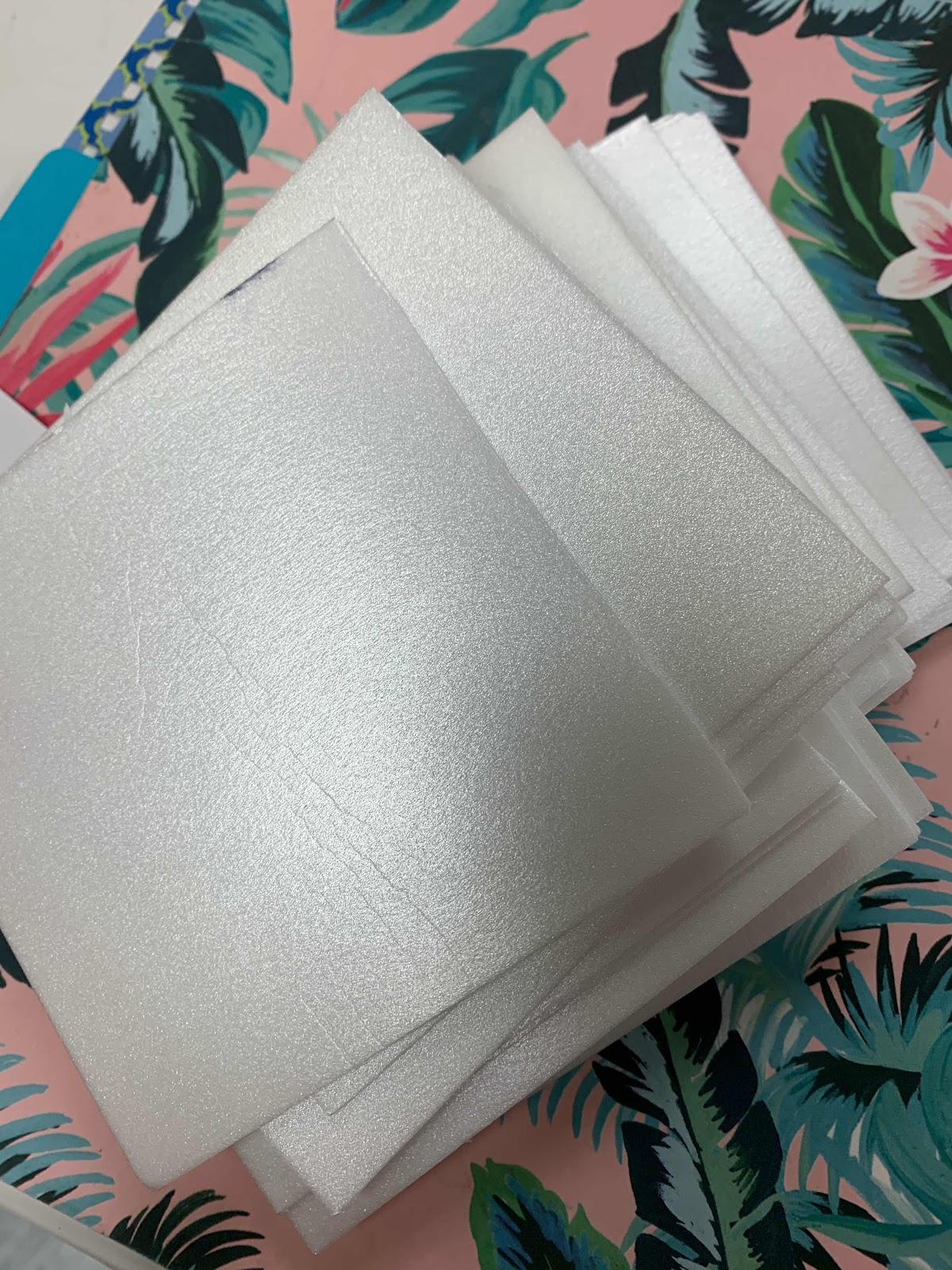
For this students get scratch foam paper, all cut to the same size. I vary depending on availability of class. The shape does not matter. What matters is that the are the same size.
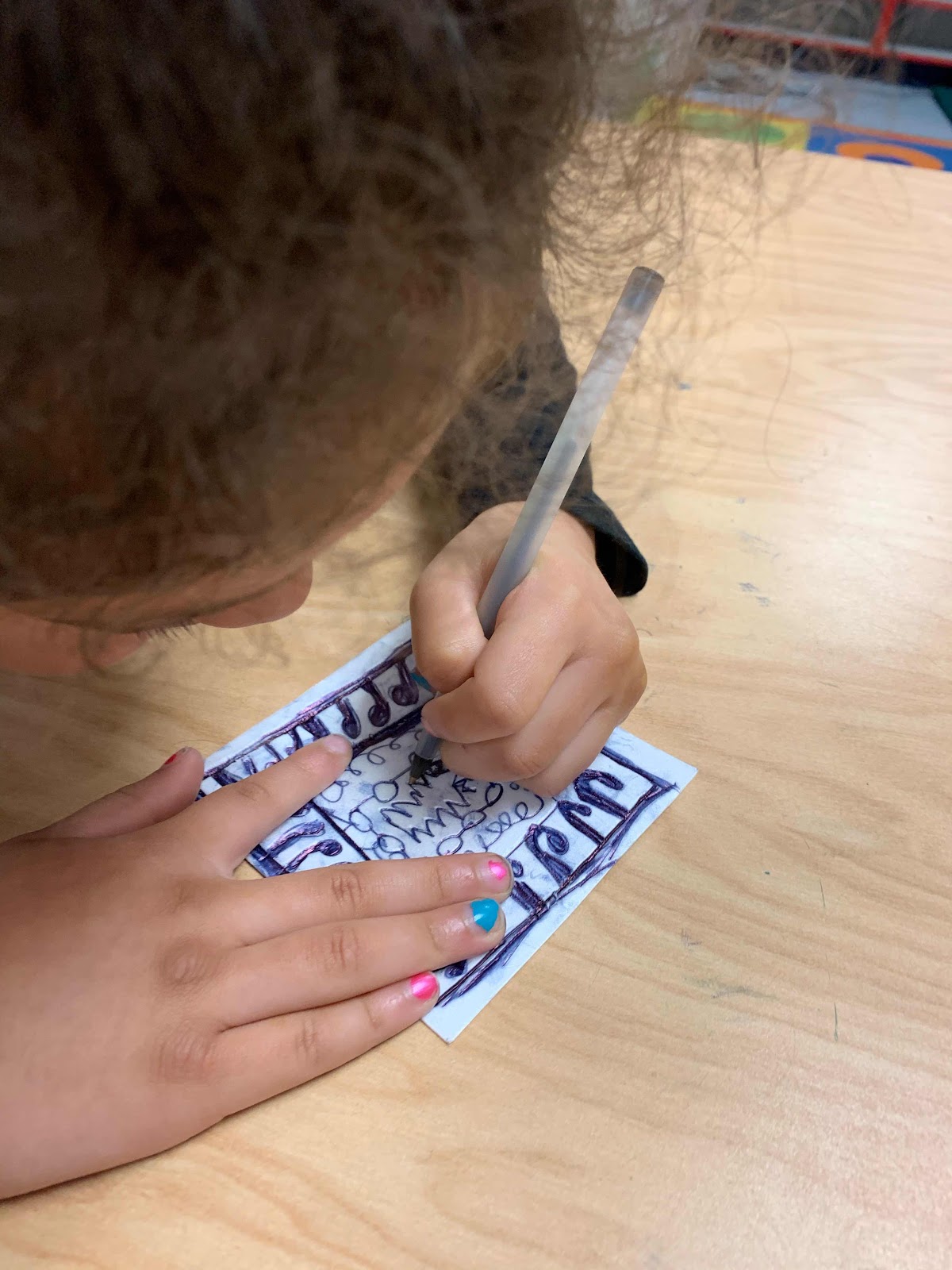
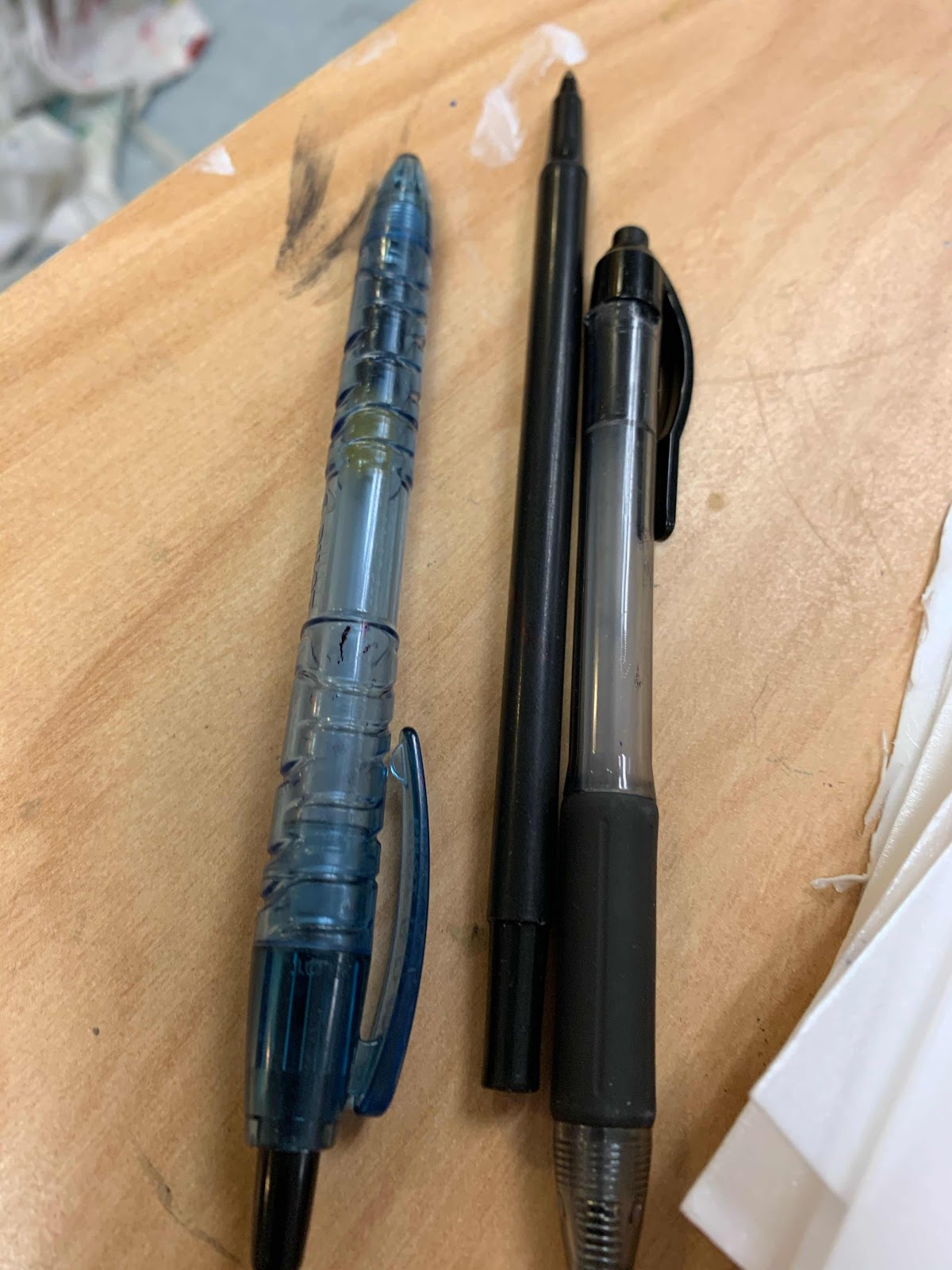
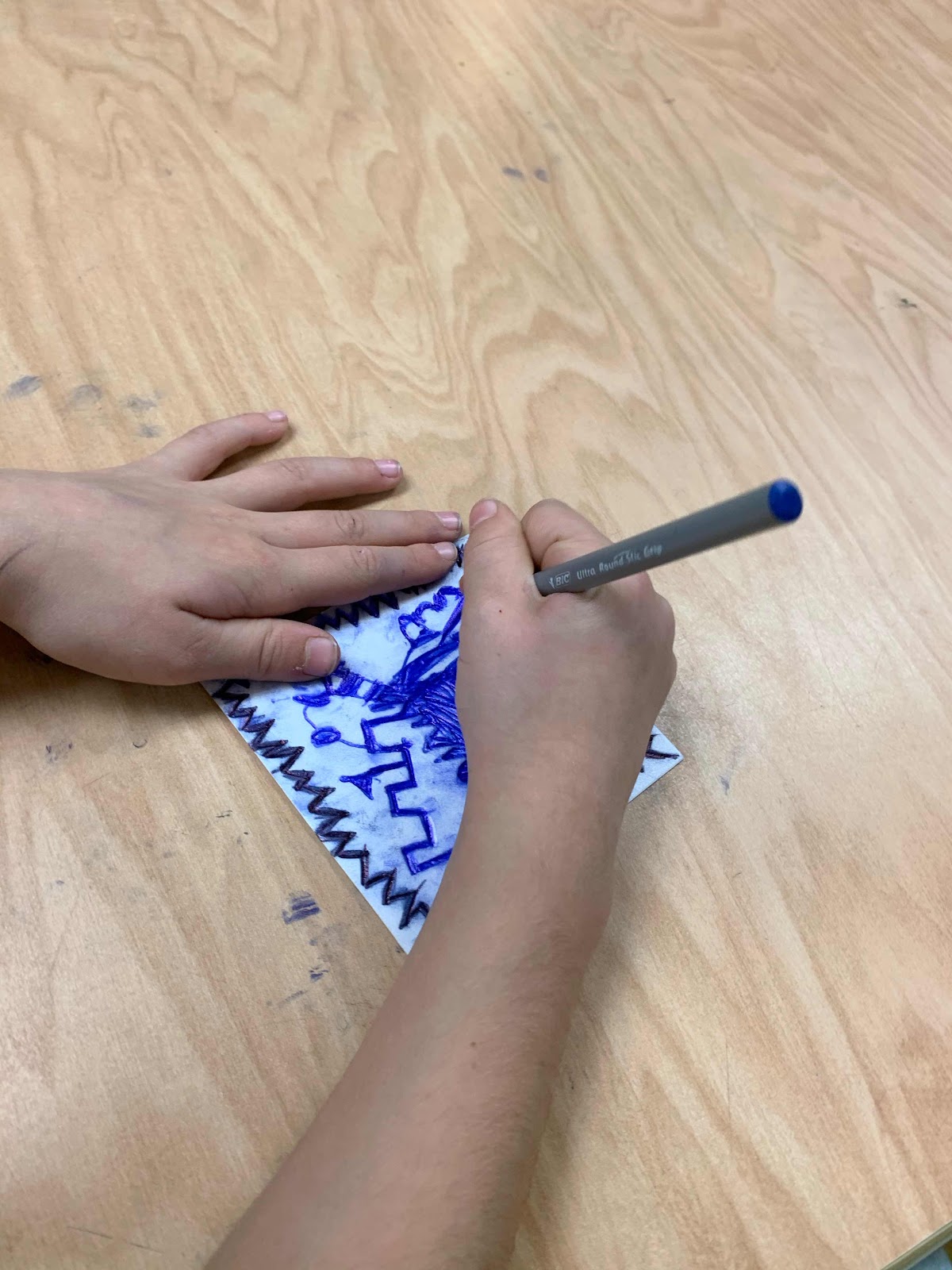
I always use pens and only pens to draw their designs on to the scratch foam. Pens are great because kids can see their designs easily and the point does not break, as pencils would.
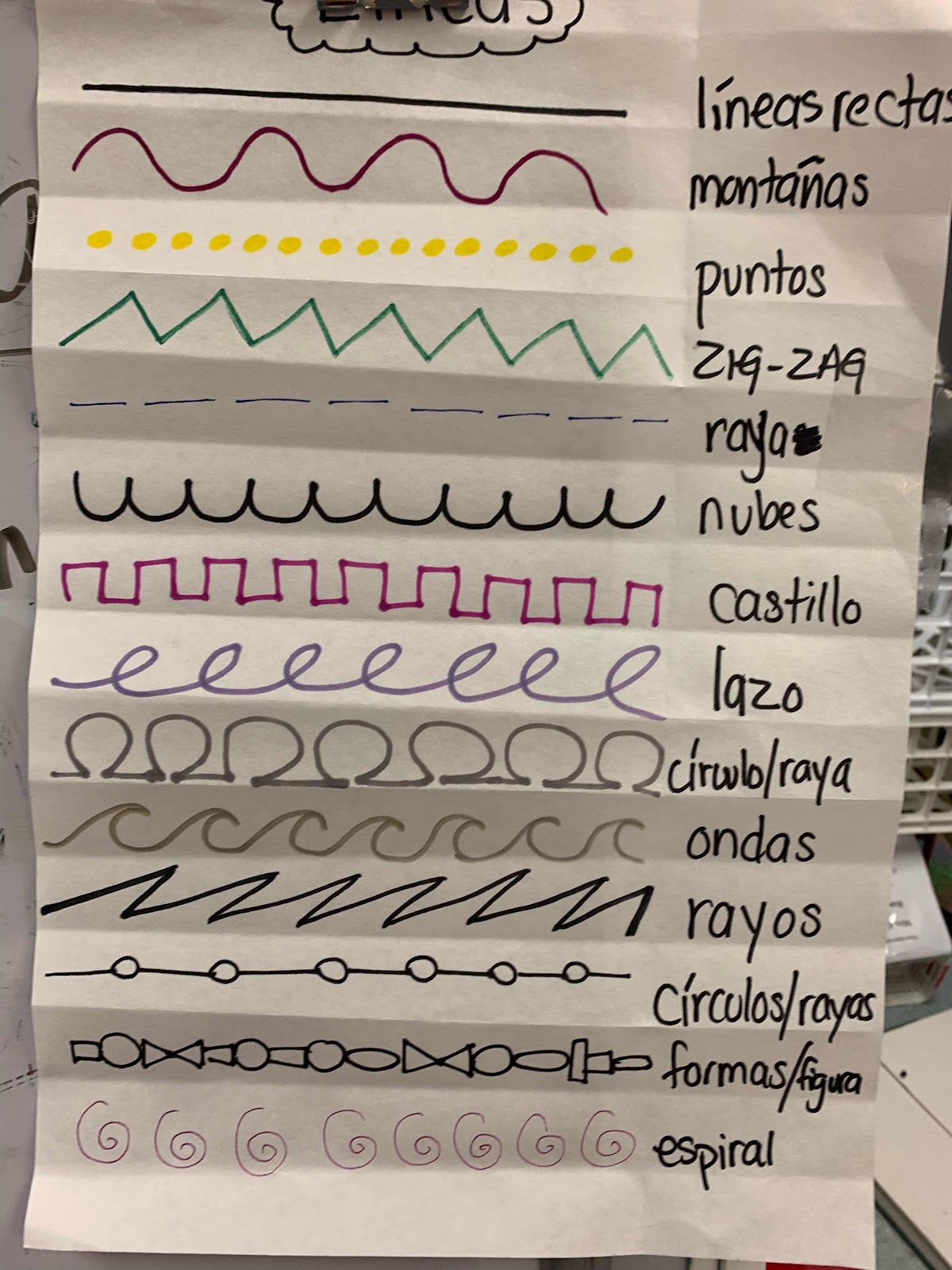
In this project, I had them choose whatever types of lines and shapes they wanted to decorate their scratch foam. The words are in Spanish, because I teach at an immersion school and teach in Spanish.
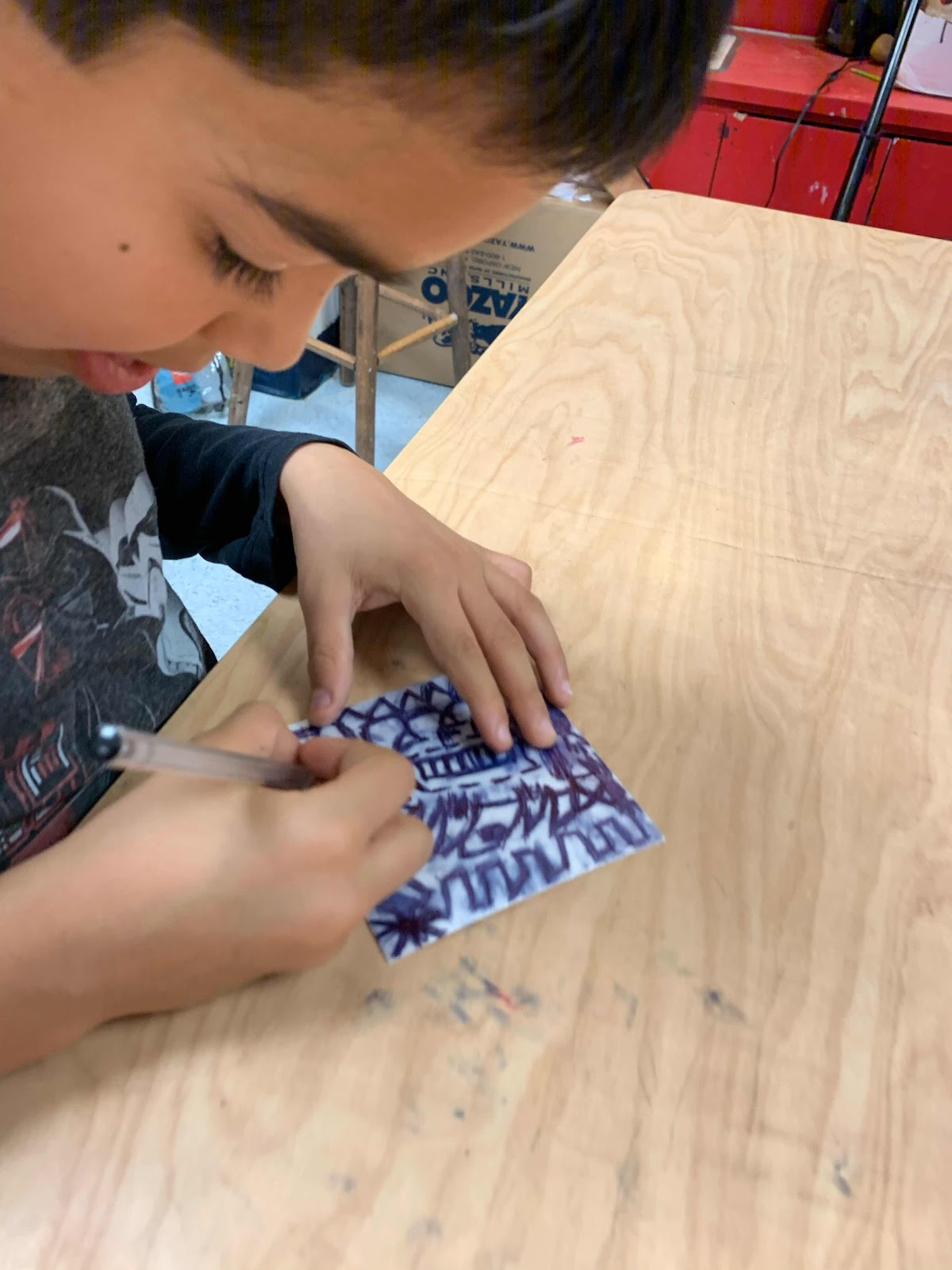
To be considered complete students must draw a thick line, be able to feel the marks and choose some spaces to color in.
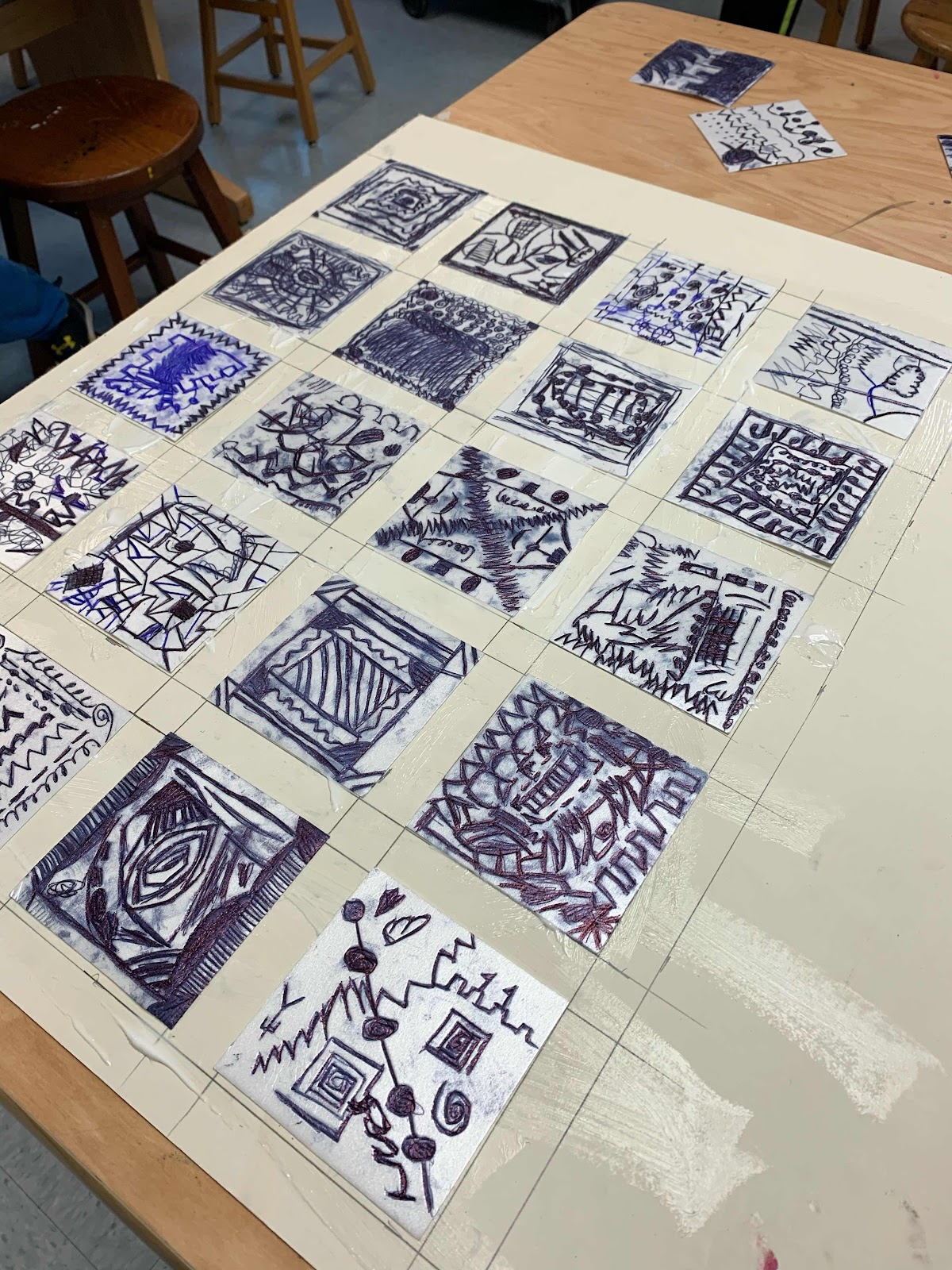
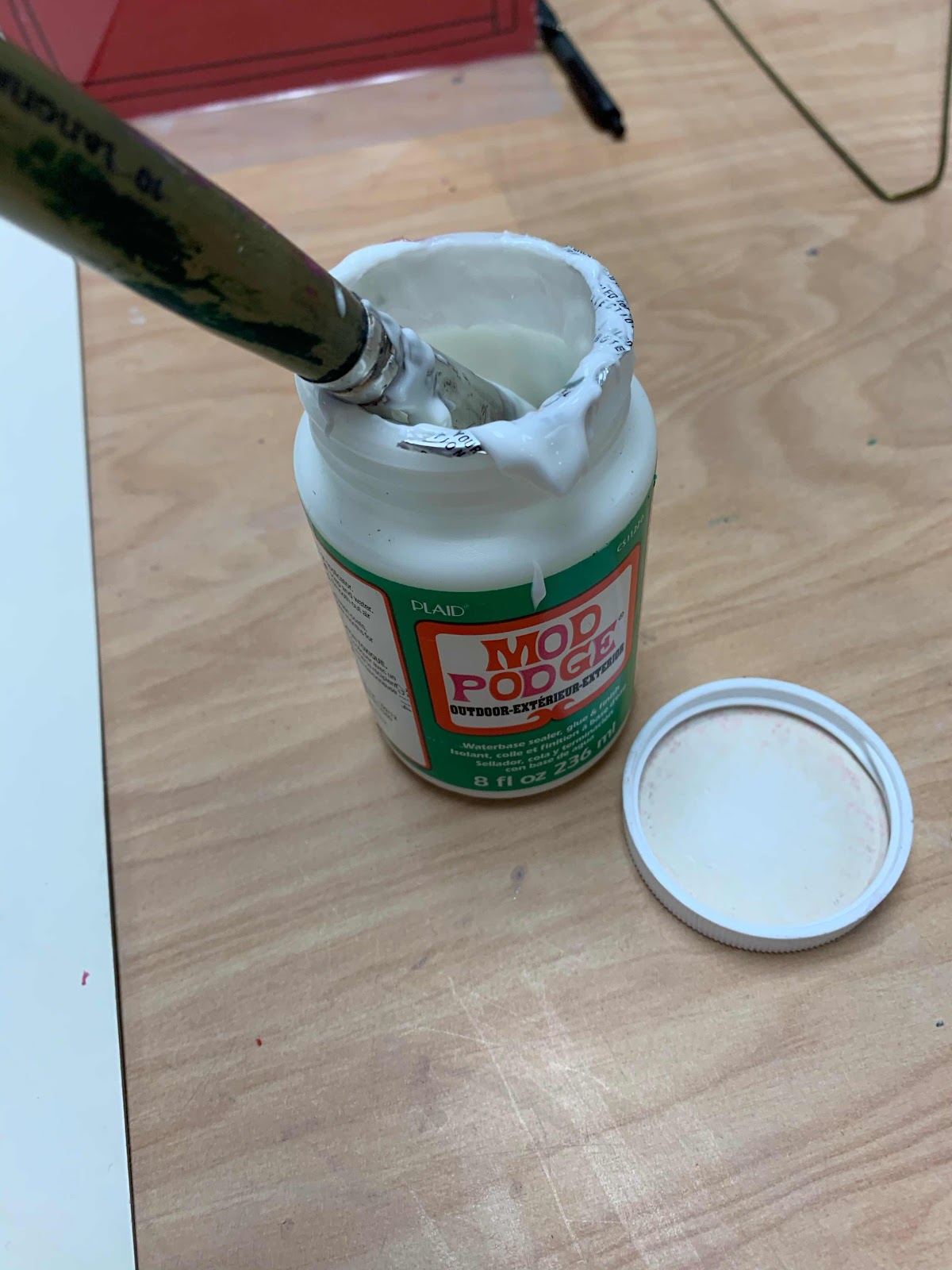
To create the group stamp I use modge podge to adhere the stamp to a large cardboard. Regular glue will not work. Tacky glue will work too.
When dry, students work together to ink the large printing plate, place a large paper on top and pull the print.
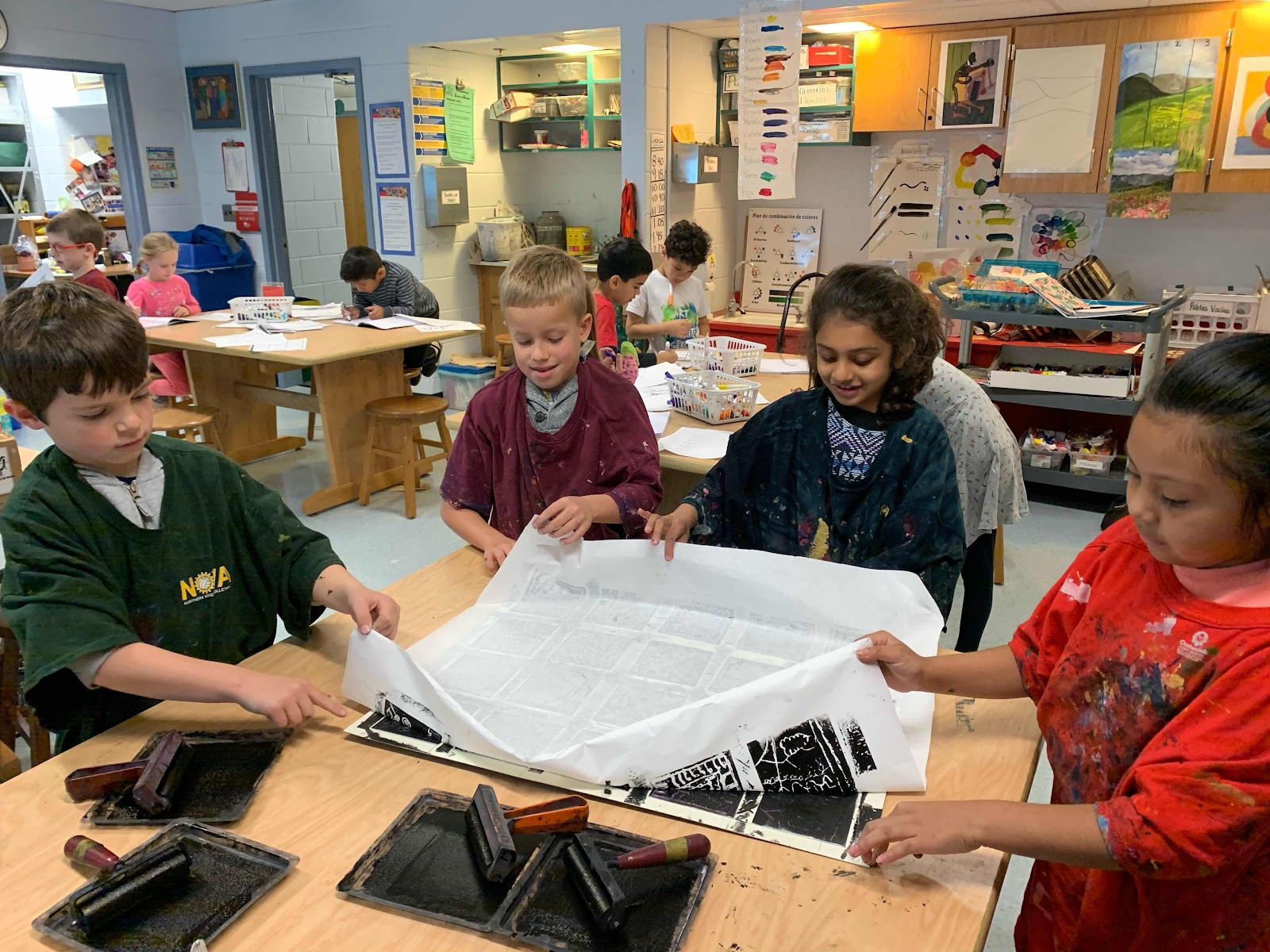
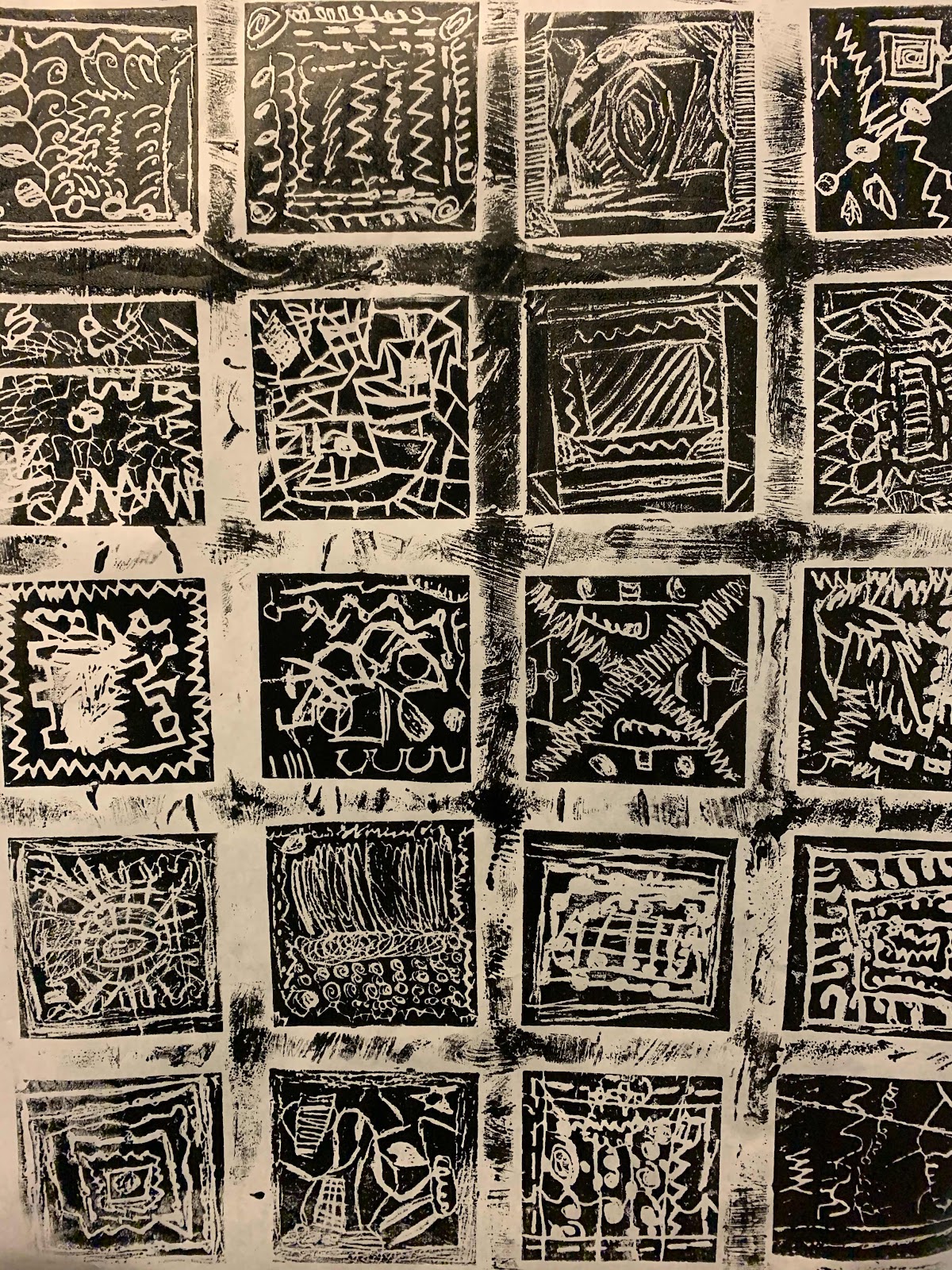
A finished group print. One of 5 we made for that grade.
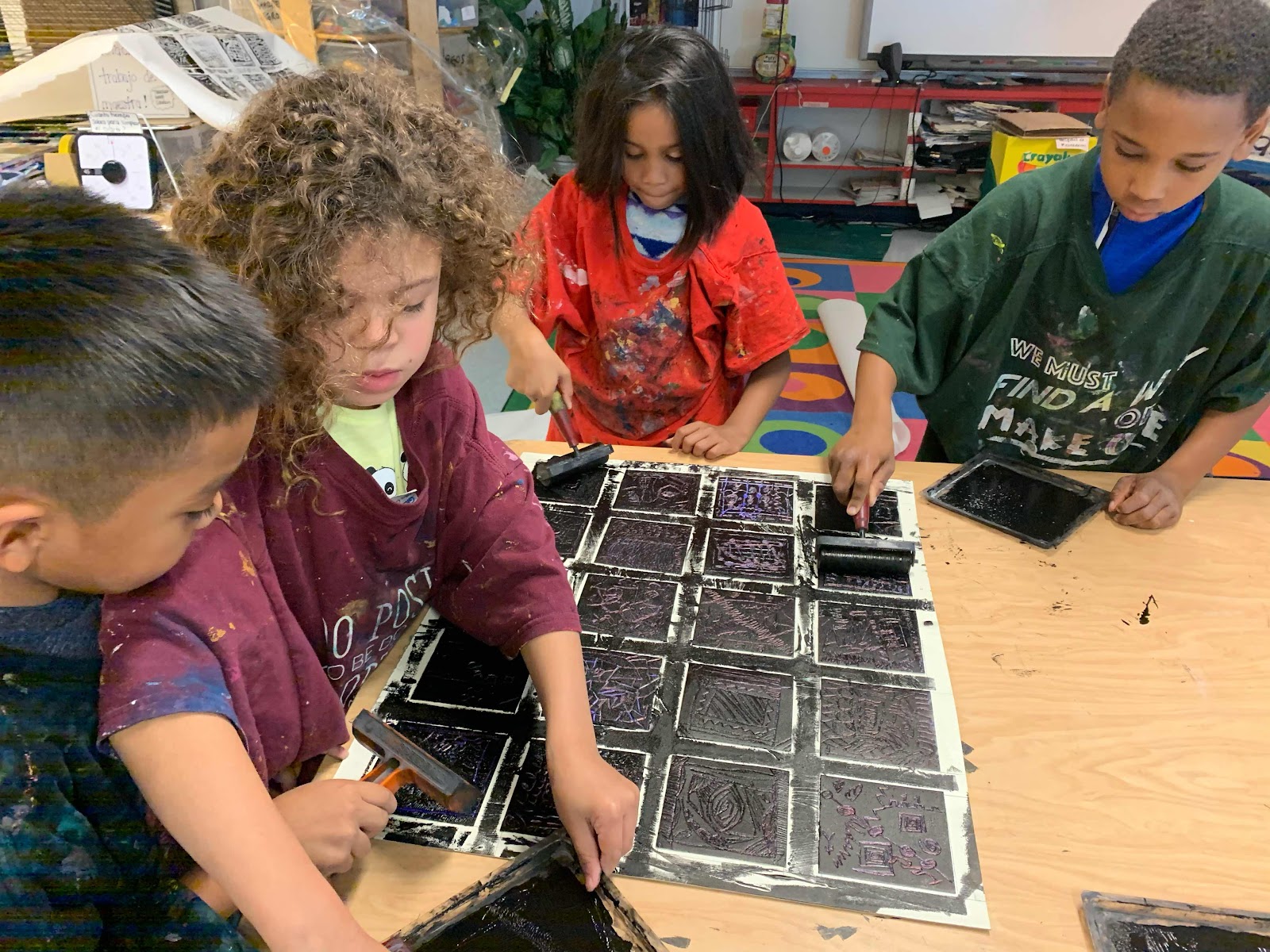
Love this image- kids working together.
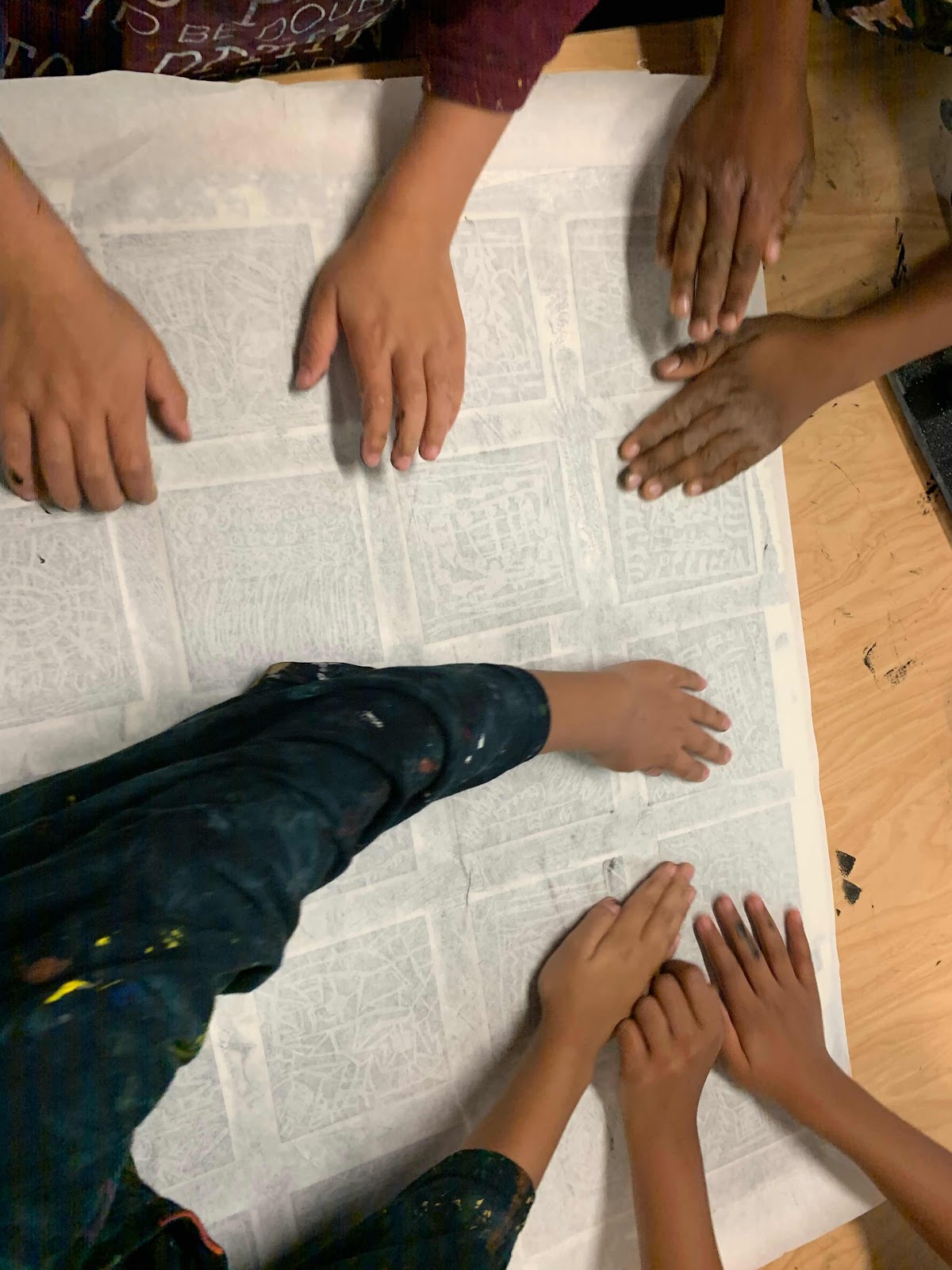
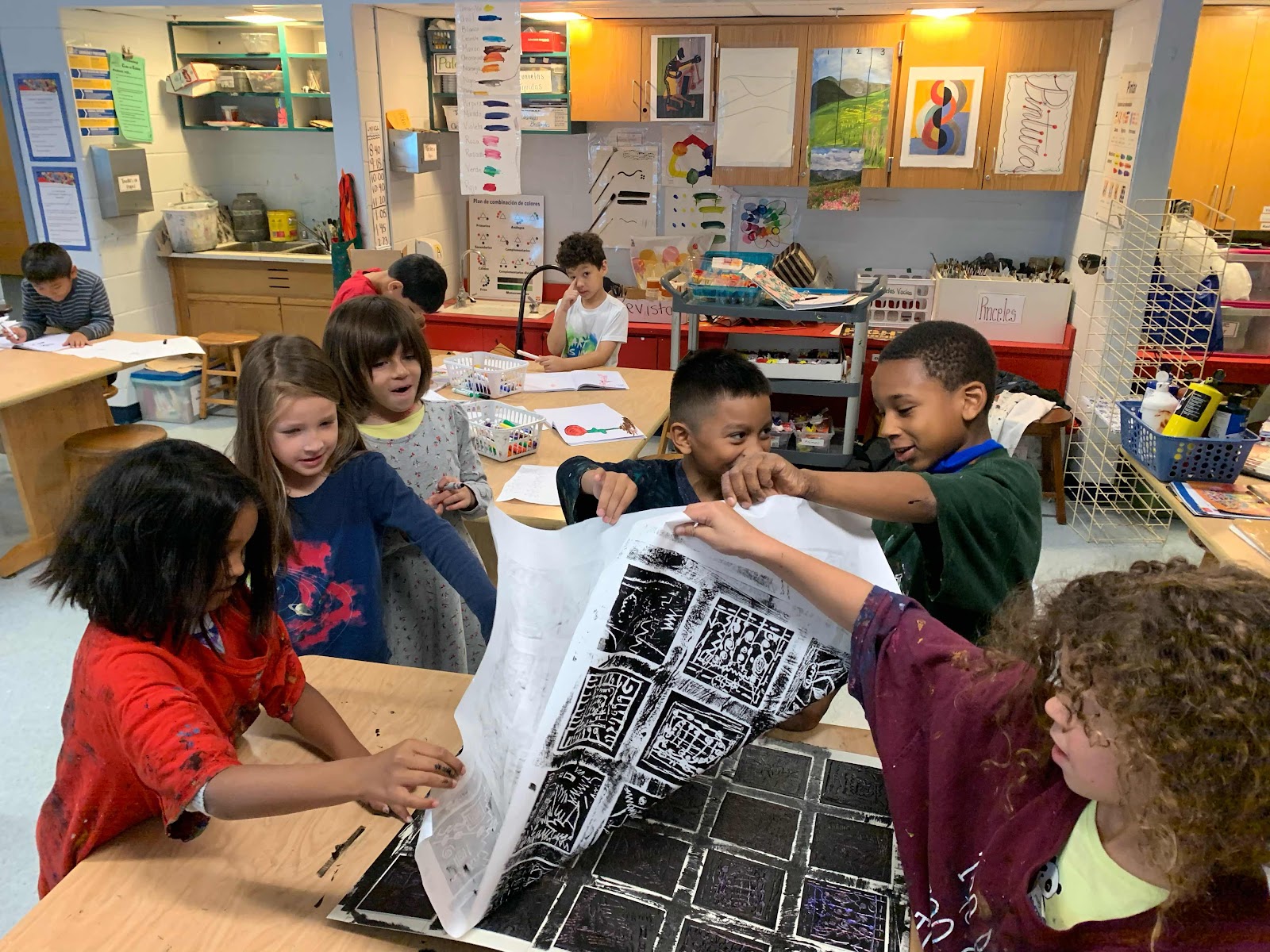
When they see their print for the first time. So satisfying. After having done this unit already on their individual prints, students will also know what looks and does not look like a successful print.....in 2nd grade.
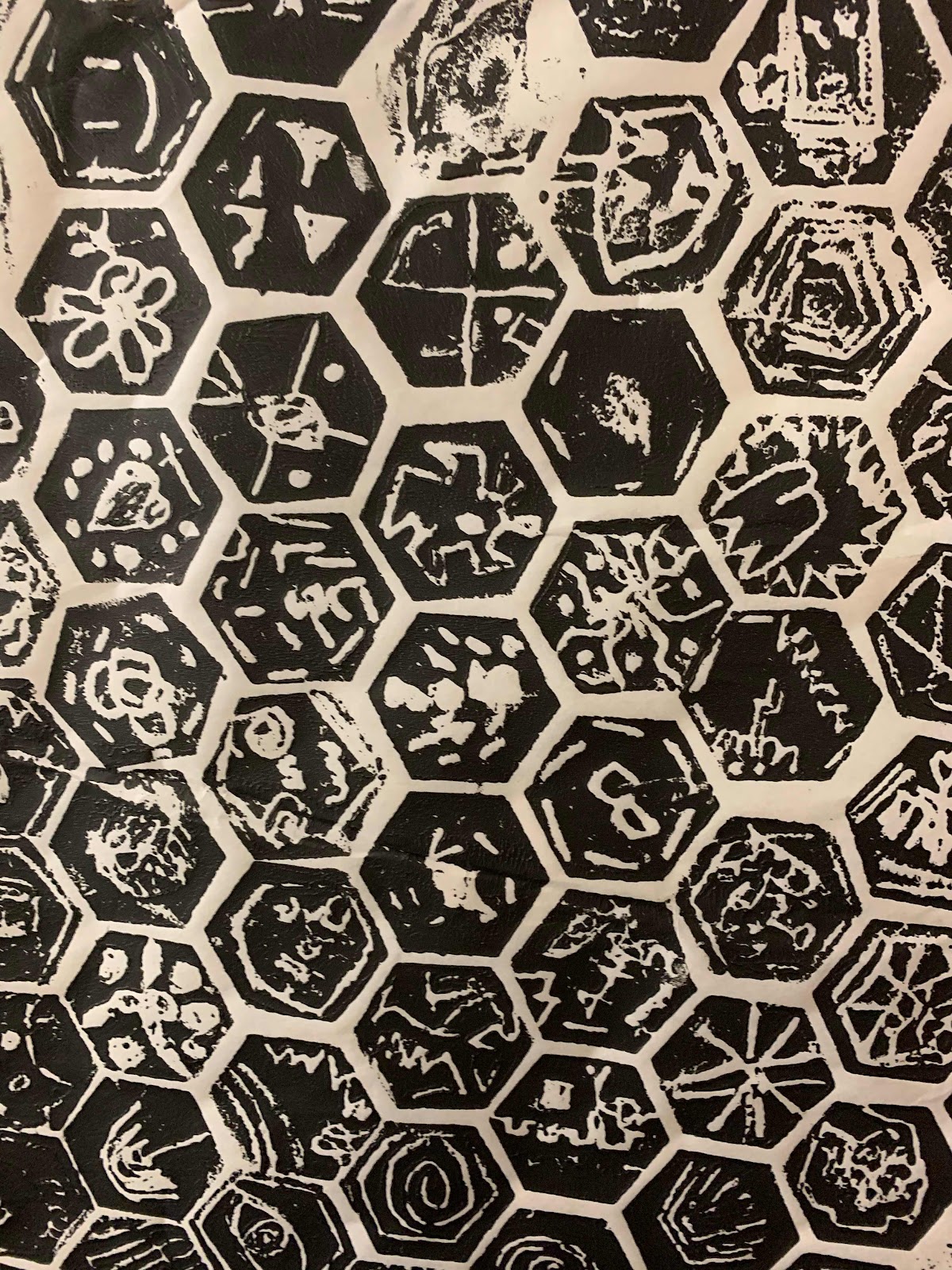
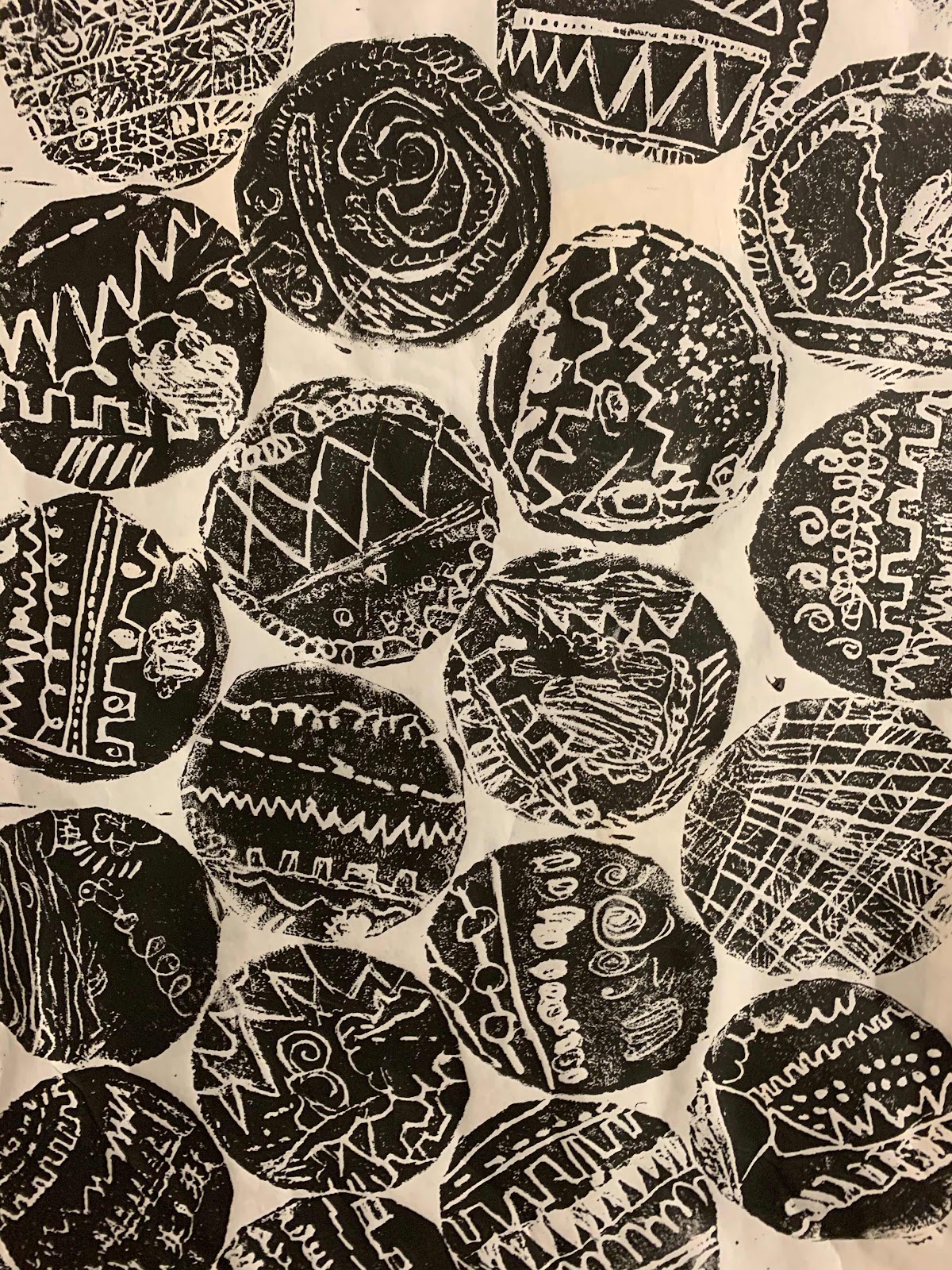
Blur I wrote about this work:
" In Ms. Cutelis' Spanish art room the main focus daily is to work together to solve personally meaningful and interesting problems. This month student's in 2nd grade, for examples got to experience various forms of printmaking techniques. We learned that a printing plate could be created by scratching the surface of the plate or by building on it. The end of all units also require students to make a group art project in which each participant adds to the final piece. Group work allows children to learn valuable 21st century skills of collaboration, problem-solving, the generation of innovative ideas, listening and speaking skills within a safe setting.
En la sala de arte en español de la Sra. Cutelis el enfoque principal diario es trabajar juntos para resolver problemas personalmente significativos e interesantes. Este mes estudiantes del 2o grado, por ejemplos, lograrón a experimentar con varias técnicas de hacer una impresión con tinta. Aprendimos que una placa de impresión se puede crear rascando la superficie con una herramienta o construyendo sobre ella con cartón. El final de todas las unidades también requiere que los estudiantes hagan un proyecto de arte grupal en el que cada participante se suma a la pieza final. El trabajo de grupo permite a los niños aprender valiosas habilidades del siglo XXI de colaboración, resolución de problemas, generación de ideas innovadoras, habilidades de escuchar y de habla dentro de un espacio seguro."