Dear 5th Grade Parents,
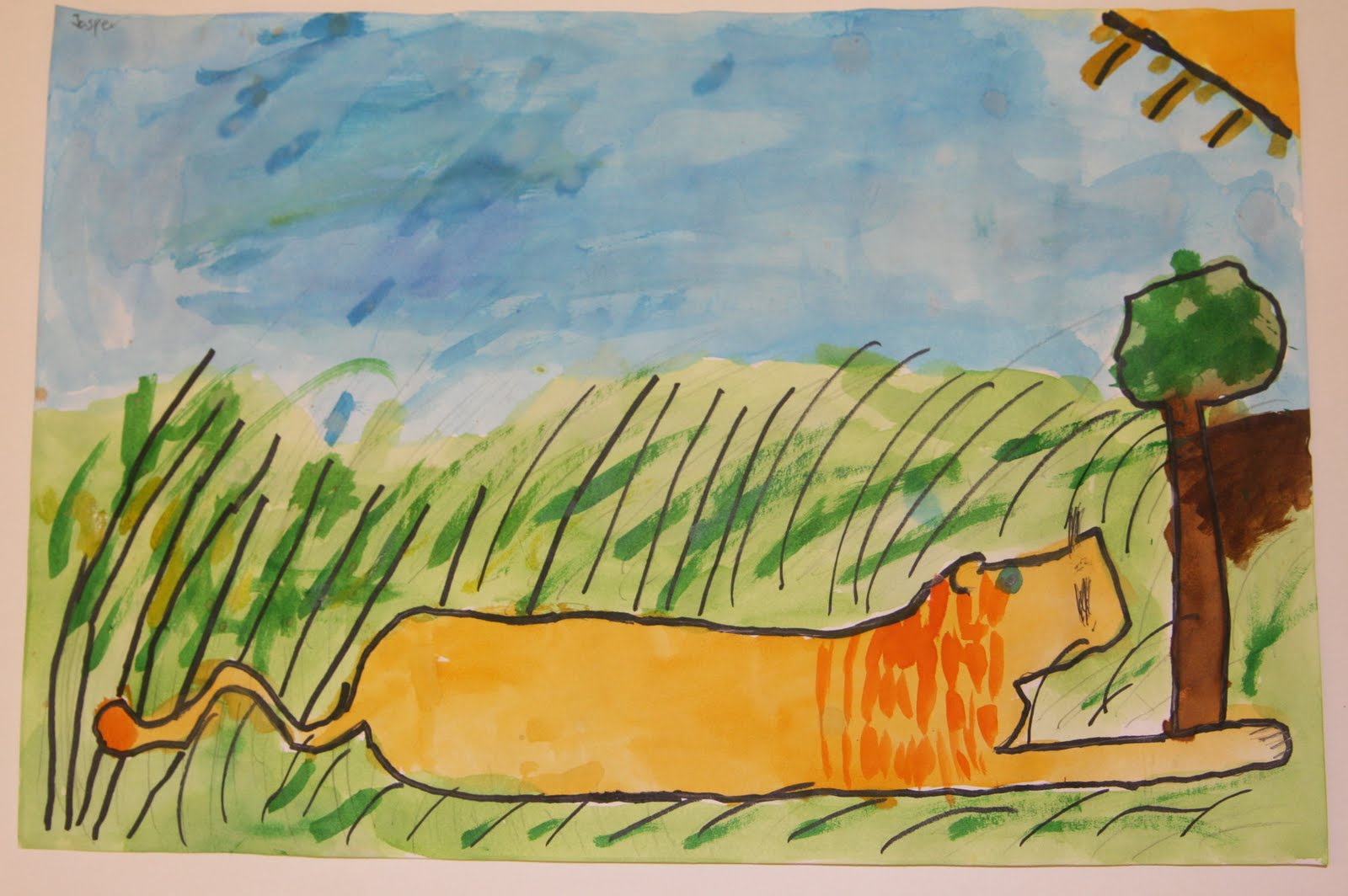
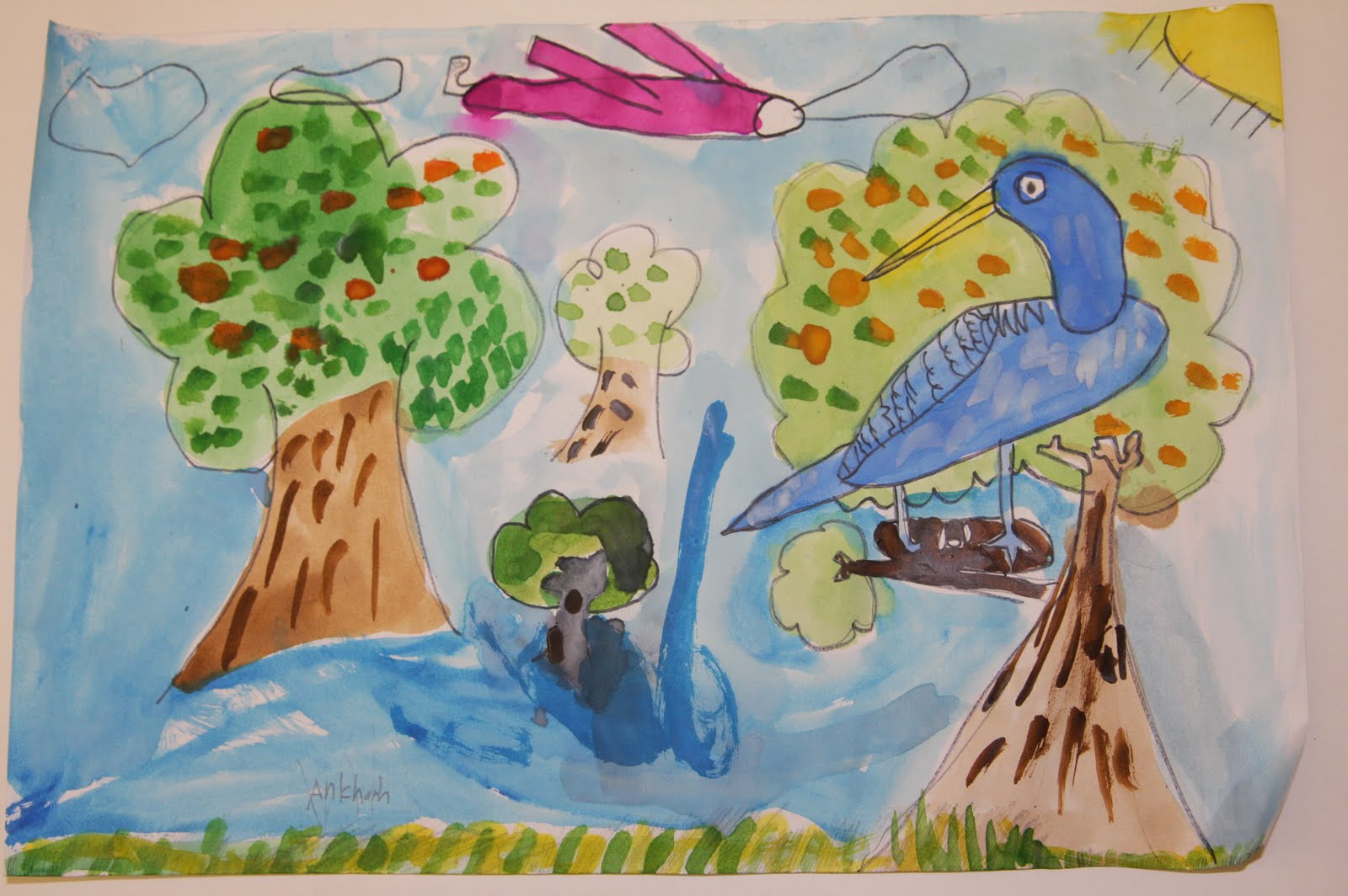
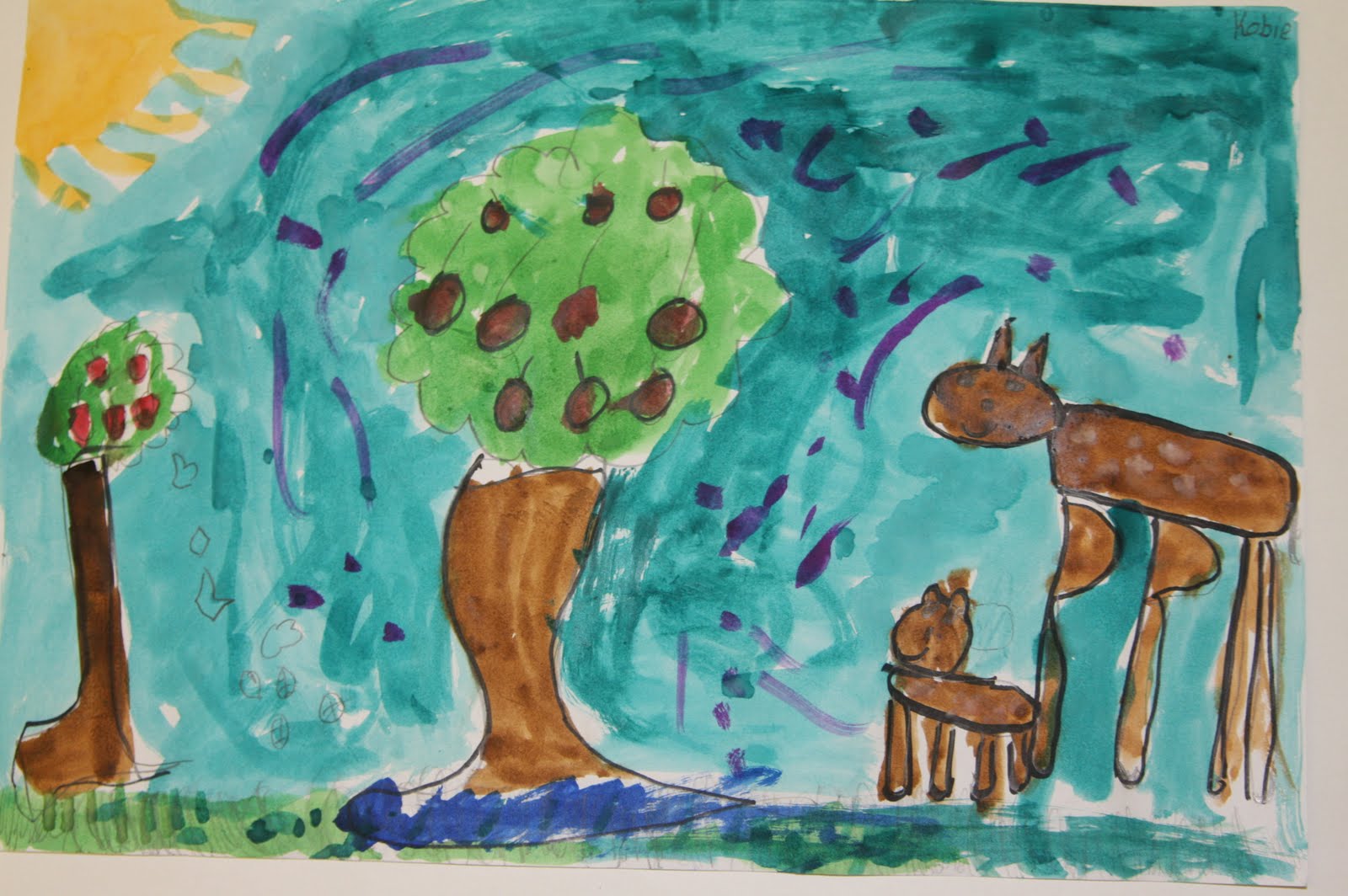
In the 5th grade students have been using their new painting skills to paint shorebirds in their habitat. They spend a whole class looking at how painters have depicted water in their work and practice those skills themselves. They have also spent an entire class carefully looking and drawing shorebirds in their sketchbooks. We have one more week to work on our paintings. The combined images of all the paintings created for this unit will be printed in a 2011 Shorebirds in Their Habitat calendar which will be for sale online through the Murch art blog next month. All proceeds above and beyond what it cost to print them will be donated to International Bird Rescue (
http://www.ibrrc.org).
As part of the assignment I will have children write about what their wishes are for their contributions to this organization. Please take a few minutes to explore the site
www.ibrrc.org. They have beautiful and relevant images, video and stories about their work restoring wildlife bird populations in the Gulf. In class this week I will be reading an excerpt from the site called, Procedures for Rehabilitating and Releasing Oiled Birds. Please review and use some of the vocabulary words below at home to help facilitate discussion about the subject in class and express relevant ideas in their writing; some of which might also be included in the calendar.
Miriam Cutelis
Miriam.Cutelis@yahoo.com www.Murchart.blogspot.comRelevant Vocabulary* Stabilize: to make stable
* Waterproofing (in birds): What give shorebirds waterproof ability is the position of the feathers
* Criteria: standards that must be used in evaluating a decision.
* Hyperthermia: is an elevated body temperature due to failed thermoregulation.
* Hypothermia: is a condition in which core temperature drops below that required for normal metabolism and body functions which is defined as 35.0 °C (95.0 ...
* Debilitated: make weak
* Preening: What a bird is doing when it preens is carefully aligning each feather, which is made up of a shaft, veins, and tiny barbs that connect the veins into a tightly woven unit. This feather structure does not allow water or air to penetrate and provides buoyancy and insulation.
* Agitate: to give motion.
 The glasses look great!
 Those lips!
 The ears and the hair bun.....those eyes....just such a great sketch.
 Great job on that bun.
 this remind me of a Picasso drawing....genius.
 The artist even included the necklace.
 Cutest lips.
 Great job on the hair and capturing its direction.
 Love it!
 Very proportionate.
 Look at that curly hair.
 the nose.....! love it.
 So rich....
 Love those lips.
 I love how amazingly different all these are. They all have their own personality.
 the lips....great job.
 The hair looks very realistic.
 The glasses! classic....
 A warm little smile on her.


 Dear Wonderful 3rd Grade Parent,